 HOMEMEMBERS
LATEST NEWS
DOWNLOADLINKSCONTACT
HOMEMEMBERS
LATEST NEWS
DOWNLOADLINKSCONTACT 

News from the Society of Medical Biochemists of Serbia |
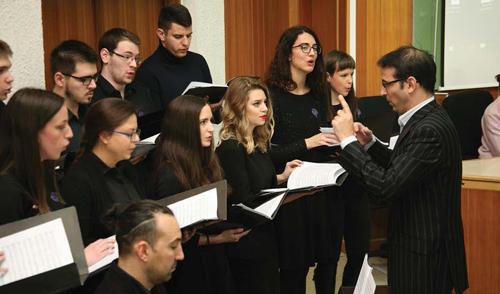
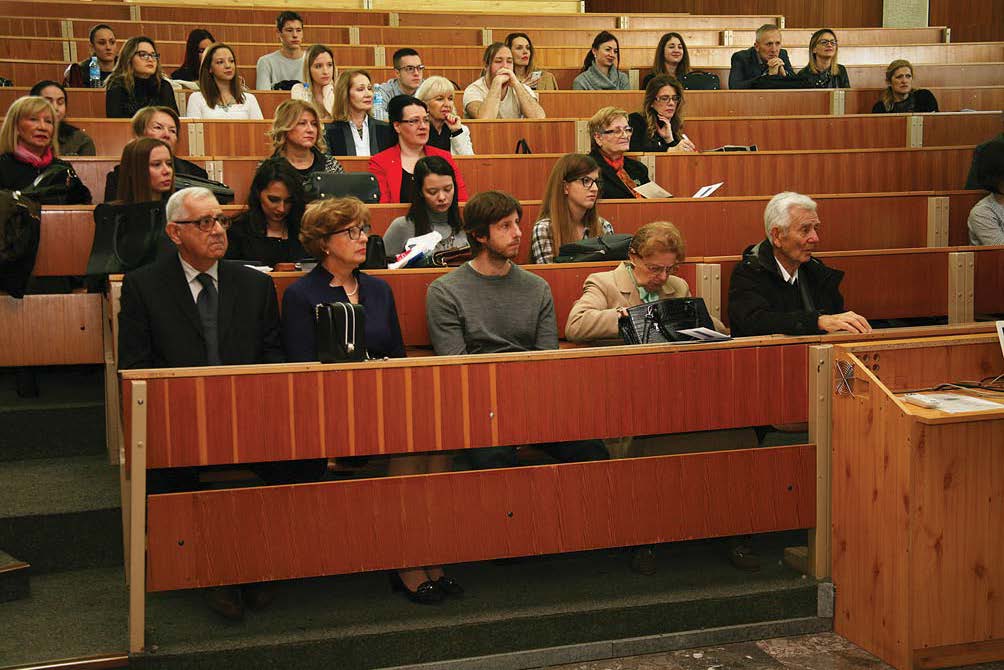
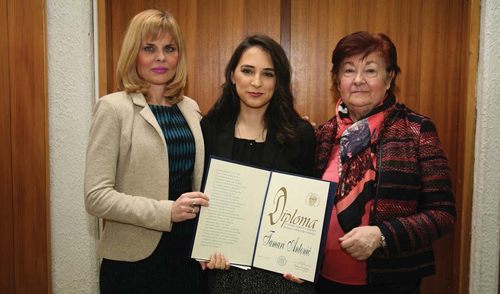
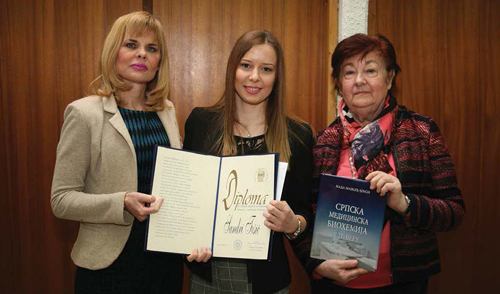
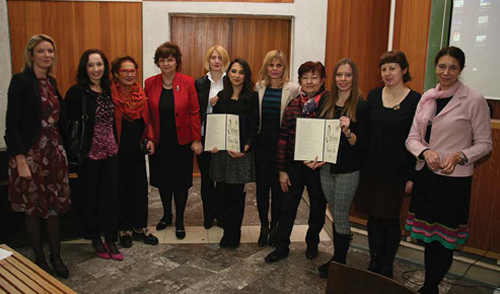
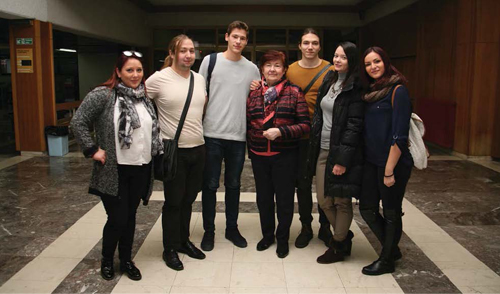
SOCIETY OF MEDICAL BIOCHEMISTS OF SERBIA Prepared by dr Snežana Jovičić Liaison Member of the IFCC eNewsletter Working Group Honoring life and work of Professor Ivan Berkeš, one of the founders of the medical biochemistry profession in former Yugoslavia, Society of Medical Biochemists of Serbia organized for the twentieth time in December 2017, the traditional annual Scientific Conference. Professor Ivan Berkeš taught at Universities of Zagreb, Skopje and Belgrade. His work at the Faculty of Pharmacy, University of Belgrade, was crowned in designing the post graduate specialization studies program, and in foundation of clinical enzymology as an independent discipline. Pro fessor Berkeš was mentor to over 150 medical biochemistry specialists, and several dozen of PhD students. He authored over 200 papers in international and national journals, as well as of several books. Upon his death, in 1997, his former students gathered in the Society of Medical Biochemists of Serbia, established the Scientific Foundation "Professor Ivan Berkeš". The Foundation traditionally awards the best students graduated at the Faculty of Pharmacy University of Belgrade and organize the Annual Scientific Conference where the doctoral dissertations defended in the field of medical biochemistry during the past year are presented. The twentieth annual Scientific Conference was organized traditionally by Professor Nada Majkić-Singh, Professor Berkeš’ student and associate, who contributed the most to the remembrance of his legacy. The Conference was held 7 December 2017 under the patronage of the Society of Medical Biochemists of Serbia, Scientific Foundation "Professor Ivan Berkeš" and the Faculty of Pharmacy University of Belgrade. It gathered over 200 participants – students, older colleagues who were the students of Professor Berkeš, young graduated medical biochemists, and teachers of the Faculty of Pharmacy. Traditional guests were the family members of Professor Berkeš – his son and grandson, with their families. Professor Nada Majkić-Singh opened the Conference, with the opening welcome and word on its history and significance. On behalf of the Faculty of Pharmacy, the participants were welcomed by the Vice Dean, professor Nataša Bogavac-Stanojević. After the opening words, the choir of students "The Raskovnik" performed, adding the festivity to the event. The opening ceremony was closed by awarding the valedictorians of the two graduate programs of the Faculty of Pharmacy University of Belgrade – Tamara Antonić, Master of Pharmacy Medical Biochemist, and Sandra Tešić, Master of Pharmacy. Prof. Nada Majkić-Singh and Professor Marina Milenković, the Vice Dean for Education, handed the awards to this year’s laureates. Professor Svetlana Ignjatović and Professor Vesna Spasojević-Kalimanovska chaired the scientific part of the Conference. The program encompassed all of the three fields of the medical biochemistry curriculum – medical biochemistry, toxicological chemistry and sanitary chemistry. In the first part, the results of the ongoing scientific projects of the Faculty of Pharmacy and Ministry of Science, Education and Technological Development were presented. The speakers were Professor Aleksandra Zeljković ("Assessment of LCAT and CETP activities as a tool for estimation of structural and functional properties of HDL particles") and Professor Mirjana Bećarević ("Diagnostic and therapy of anti phos pholipid syndrome"). The second part was dedicated to the presentation of doctoral thesis presentations. Dr Marina Pjanović presented her work on bone formation markers and vitamin D in pregnancy. Metabolic and immunological effects of administration of two Lactobacillus strains in mice fed a high fat diet were presented by dr Ana Đurić. The Conference was closed with the presentation on the study on rats of cadmium and polychlorinated biphenyls mixture toxicity by dr Aleksandra Buha-Đorđević.
|
XX CONGRESS OF MEDICAL BIOCHEMISTRY AND LABORATORY MEDICINE AND 12TH EFLM SYMPOSIUM FOR BALKAN REGION |
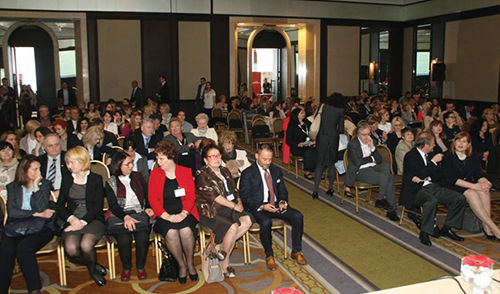
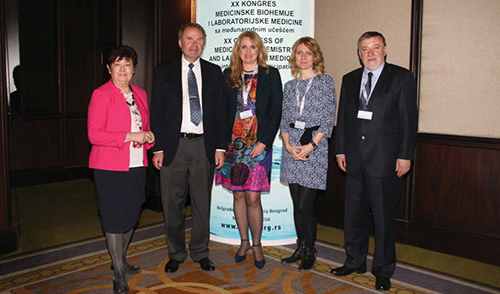
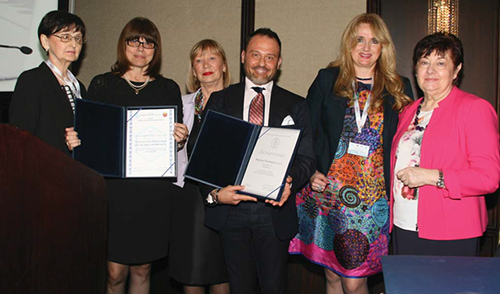
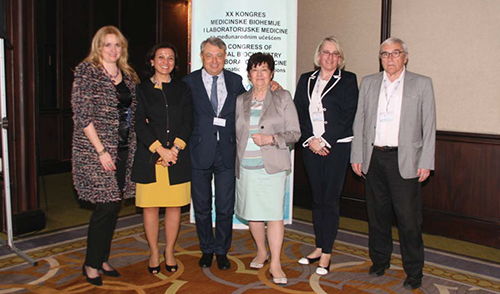
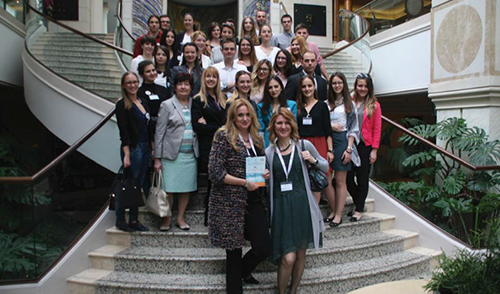
Dr Snežana Jovičić On May 25–27, Society of Medical Biochemists of Serbia (SMBS) and Faculty of Pharmacy of the University of Belgrade organized the 20th Congress of Medical Biochemistry and Laboratory Medicine with international participation. The congress was organized under the auspices of International Federation of Clinical Chemistry and Laboratory Medicine (IFCC), European Federation of Clinical Chemistry and Laboratory Medicine (EFLM), Balkan Clinical Laboratory Federation (BCLF), Ministry of Education, Science, and Technological Development, and Ministry of Health of Republic of Serbia. It had five sessions dedicated to the current findings in different areas of clinical chemistry and laboratory medicine, and their application in patient care. During the opening ceremony, after the review of the past congresses through photos presentation, the traditional reward of the "Magistra Milica Marković" Foundation, intended to laboratories that advanced the most in the past two years between the two congresses, was awarded to the laboratory of the Community Health Centre "Palilula" from Belgrade. The reward was Alifax Test 1 BCL fully automated analyzer for determination of erythrocytes sedimentation rate, donated by the company Promedia. Also, on the occasion of the jubilee of the 20th Congress, SMBS delivered Diplomas and Acknowledgments to individuals and organizations that contributed significantly to the work of the SMBS and to the development of medical biochemistry in Serbia. The working part of the 20th Congress officially started with the opening plenary lecture entitled "Quality assurance in clinical chemistry: a touch of statistics and a lot of common sense" held by the distinguished professor Elvar Theodorsson, from the Linköping University, Sweden. The first session was dedicated to the new biomarkers in laboratory medicine – the role of genome-wide association studies in new biomarkers discovery in the case of osteoporosis, paraoxonase enzymes in cardiovascular disease, LC-MS/MS for analysis of cholesterol synthesis and absorption markers, and adiponectin in coronary artery disease. Toxicological, pharmacokinetic, and biochemical aspects of the application of drugs were the topics of the second session. The talks comprehended the influence of environmental pollutants cadmium and polychlorinated biphenyls on thyroid hormone levels, the recommendations on application of therapeutic drug monitoring, diagnostic and therapeutic possibilities in familiar hypercholesterolemia, and monitoring of biochemical parameters in the assessment of immunosuppressive therapy safety. The third session was dedicated to contemporary methodological approaches in laboratory medicine – aplication of HPLC-MS/MS techniques, PCR methodology implementation in pathogen detection and human genomics, implementation of the recommendations of the World Health Organization in standardization of spermogram making, and pharmacogenetics testing, biochemical and therapeutic monitoring as the basis of personalized medicine. The fourth session elaborated the role of oxidative stress in contemporary diseases, as risk factor for the development of eye disease, in prediabetes, then the role of genetic polymorphisms of glutathione transferases omega class in end-stage renal disease, and the role of reduced antioxidant defense and obesity in the develop ment of cardiovascular disease in young people. The closing, fifth session was dedicated to molecular biomarkers of diagnosis and monitoring of therapeutic response in immune diseases – multiple sclerosis, liver fibrosis and celiac disease. As part of the 20th Congress, the 12th EFLM Sym posium for Balkan Region was organized by the SMBS and EFLM on May 26 and 27. This year’s Symposium was entitled "Harmonization of the total process: Influence of the extra-laboratory phases". The Symposium was openned with the plenary lecture of the distinguished professor Mario Plebani, the leading expert in this field, entitled "Extraanalytical phases quality management – new achievement". During the four part program, European and Serbian lecturers presented different aspects of important issues in extra-laboratory phases. The topics covered rational ordering of laboratory parameters, harmonization and external quality assessment of preanalytical phase, quality indicators, application of biological variability, drug interferences, systematic automated sample interferents testing, management of processes in the preanalytical phase, the impact of laboratory test results, management of critical-risk results as a tool for im provement clinicians’ decisions, urinanalysis, critical values reporting, solutions in monitoring performance in pre-pre and post-post analytical phases, managing laboratory demand, clinical awareness about pre and post analytical phase, and the level of communication between clinicians and medical laboratory. Next to prof. Plebani, the participants had the pleasure to hear about these issues from the eminent lecturers, members of EFLM and IFCC working groups – prof.dr Gustav Kovac, dr Zorica Šumarac, prof. dr Ana-Maria Šimundić, Laura Sciacovelli, prof. dr Tatjana Cvetković, prof. dr Dunja Rogić, prof. dr Éva Ajzner, prof. dr Svetlana Ignjatović, prof. dr Mercèdes Ibarz, dr Pinar Eker, and ass. dr Snežana Jovičić; as well as from national specialists in this field – ass. dr Neda Milinković, dr Vera Lukić, dr Drina Topalov, dr Biljana Glišić, and dr Zorica Reljić. The congress program also included two industrial workshops and poster session, with notable participation of students of medical biochemistry at the Faculty of Pharmacy, University of Belgrade, with their research results. The 20th Congress and 12th EFLM Symposium for Balkan region were marked with significant attendance of medical biochemists and laboratory specialists from mostly Serbia, but also from Bosnia and Herzegovina, Montenegro, Croatia, North Macedonia, and Turkey. With the closing of these events, SMBS has announced the 13th EFLM Symposium for Balkan Region for September 2017, which will be dedicated to laboratory medicine management and leadership skills for effective laboratory. |
| 11th EFLM SYMPOSIUM FOR BALKAN REGION AND 60th SMBS ANNIVERSARY |
Dr Snežana Jovičić 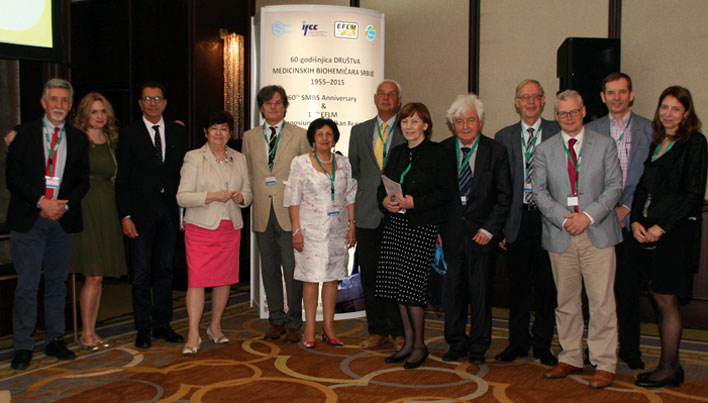 Lecturers and participants of the 11th EFLM Symposium for Balkan Region and SMBS 60th Anniversary Тhe end of summer and first days of autumn are the traditional season for Belgrade meetings of medical biochemists of Serbia. This year, September 9–13, 2014, were the days of the 19th National Congress of Medical Biochemistry and Laboratory Medicine and of the 10th EFLM Symposium for the Balkan Region. The Society of Medical Biochemists of Serbia and the European Federation of Clinical Chemistry and Laboratory Medicine (EFLM) together with the Medical Biochemistry Clinical Center of Serbia, and Faculty of Pharmacy University of Belgrade organized in Belgrade (September 11–12, 2014) the 10th EFLM Symposium for Balkan Region under the title "Pediatric Laboratory Medicine: Some Aspects of Obesity, Metabolic Syndrome, Neonatal Screening, Reference Intervals and Critical Values." EFLM appointed Belgrade (Serbia) and the Society of Medical Biochemists of Serbia (SMBS) as the organizer of educational symposia for clinical chemists in the Balkan region and as a result of this decision ten symposia have been organized thus far very successfully. The 10th EFLM Symposium for Balkan Region is organized under the auspices of the International Federation of Clinical Chemistry (IFCC), Balkan Clinical Laboratory Federation (BCLF), as well as the Ministry of Education, Science and Technological Development, and Ministry of Health of Republic of Serbia. The Scientific Committee mem- bers were Symposium President Nada Majkic-Singh (Serbia), Edgard Delvin (Canada), Elizabeta Topic (Croatia), Grazyna Sypnievska (Poland), and Svetlana Ignjatovic (Serbia). The Symposium lectures were presented through three sections: Pediatric Obesity – Insulin Resistance – Non-alcoholic Fatty Liver Disease (NAFLD); Neonatal Screening for Metabolic Dis- ease (two parts); and Pediatric Reference Intervals and Critical Values. The lecturers were from Canada (2), Italy (2), North Macedonia (2), Serbia (5), UK (1), Hungary (1), Slovenia (1), France (1), and Sweden (1). The papers of the lectures presented were published in Journal of Medical Biochemistry 2015;34:1-150 (www.degruyter.com/view/j/jomb). Special thanks of the organizers go to Prof. Edgard Delvin (Montreal Children's Hospital, McGill University, Mon- treal, Canada) who helped to design the program of the symposium, and suggested the topics and lecturers. The first section of the symposium was dedicated to pediatric obesity, insulin resistance and non-alcoholic fatty liver disease (NAFLD). Prof. Delvin gave the introduction with the lecture about the prevalence, secular trends and consequences of obesity, where he also mentioned the fundamentals of sented results of several studies in obese children of different ages performed in the Republic of North Macedonia, which showed higher leptin and lower adiponectin levels in obese children, who also presented with a more atherogenic lipoprotein profile, associated with increased insulin resistance, emphasizing the need for the onset of therapy preventing cardiovascular complications at a younger age. Prof. Vera Zdravkovic closed the first section with the talk about the importance of early diagnosis of prediabetes, as early complication of childhood obesity, and non-invasive methods to perform it. The second section was dedicated to the neonatal screening for metabolic disorders. The opening lecture by Prof. Rodney Pollitt (Sheffield Children's Hospital, UK) reviewed different viewpoints and international perspectives on newborn screening, which was an excellent introduction for the issues in standardization of neonatal screening programs presented by Prof. Alberto Burlina (University of Padua, Italy). Prof. Istvan Balogh (Department of Laboratory Medicine, University of Debrecen, Hungary) talked about the relevance of adding the detection of population-specific mutations to commercial allele specific CFTR gene mutation detection method in order to achieve the required sensitivity of molecular testing in newborn screening. The first part of the section was closed with Serbian experiences in screening in the prevention of Thalassemia syndromes, presented by Dr. Milica Cvorkov-Drazic (Society of Medical Biochemists of Serbia). The second part continued with the presentation of results of the study of direct molecular diagnosis of CYP21A2 point mutations in North Macedonian and Serbian patients with 21-hydroxylase deficiency by Prof. Violeta Anastasovska (Genetic Laboratory, Department of Endocrinology and Genetics, University Children's Clinic, Skopje, Republic of North Macedonia). Prof. Barbka Repic Lampert (Unit for Special Laboratory Diagnostics, University Children Hospital, University Medical Center Ljubljana, Slovenia) presented the selective screening for metabolic disorders in a Slovenian pediatric population. The section dedicated to newborn screening was closed by Dr. Tatjana Milenkovic (Department of Endocrinology, Mother and Child Health Care Institute of Serbia "Dr. Vukan Cupic," Belgrade, Serbia), who presented their 30 years' experience with the screening program for congenital hypothyroidism in Central Serbia (1983–2014). The Symposium was closed with current issues in pediatric reference intervals and critical values. Prof. Joseph Henny (Versailles Saint Quentin University, Villejuif, France) introduced the concepts and complexity in establishing reference values in pediatrics. Afterwards, Prof. Khosrow Adeli (Clinical Biochemistry, The Hospital for Sick Children, University of Toronto, Canada) discussed the concept and feasibility of common reference intervals, as well as the CALIPER reference interval database. Finally, the epidemiology and pathophysiology of NAFLD, and covered the present biomarkers and the development of new ones. Prof. Valerio Nobili (Bambino Gesu Children's Hospital, Rome, Italy) continued with the epidemiology and natural history of NAFLD, elaborating on the complex interplay between genes and the environment in NAFLD pathogenesis, and the possibility of discovering the potential early predictors and suitable noninvasive diagnostic tools based on the pathogenetic mechanisms and histological patterns. Metabolic setup and risks in obese children was discussed by Prof. Mirjana Kocova (University Pediatric Clinic, Skopje, Republic of North Macedonia). Prof. Kocova presection and the whole symposium was concluded by Prof. Peter Ridefelt (Department of Medical Sciences, Clinical Chemistry, Uppsala University, Sweden), who presented the results of a population-based Swedish study which obtained pediatric reference intervals, and emphasized the problem of lacking reference intervals for the youngest age group – those under six months of age. The design of the program of this symposium enabled the laboratory professionals in the Balkan region and our country to learn about this very important area of laboratory medicine. The presence of excellent lecturers and professionals in this field gives very high recognition and prestige to this meeting, which will influence the development of clinical chemistry and laboratory medicine in the Balkan region. We hope that the EFLM Symposium in Belgrade will continue its successful progress like in previous years, striving to focus on the new data in the field of laboratory medicine. |
| 10th EFLM Symposium for Balkan Region Integrative Algorithms in Patient Focused Laboratory Medicine |
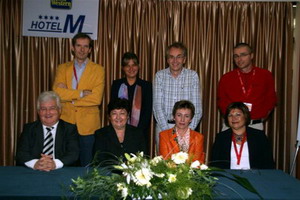
| EFLM CORNER by Dr. Snezana Jovicic Society of Medical Biochemists of Serbia 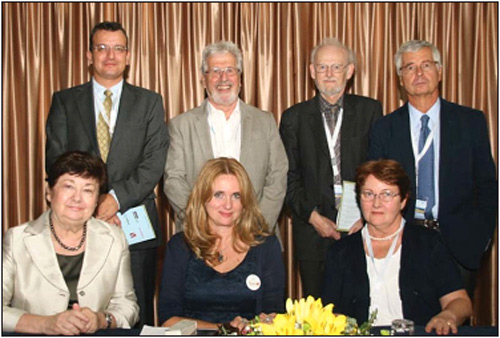 Photo: (From left to right) Sitting: N. Majkic-Singh, Z. Sumarac, M. Cvorkov-Drazic; standing: I. Balogh, E. Delvin, R. Pollitt, A. Burlina Тhe end of summer and first days of autumn are the traditional season for Belgrade meetings of medical biochemists of Serbia. This year, September 9–13, 2014, were the days of the 19th National Congress of Medical Biochemistry and Laboratory Medicine and of the 10th EFLM Symposium for the Balkan Region. The Society of Medical Biochemists of Serbia and the European Federation of Clinical Chemistry and Laboratory Medicine (EFLM) together with the Medical Biochemistry Clinical Center of Serbia, and Faculty of Pharmacy University of Belgrade organized in Belgrade (September 11–12, 2014) the 10th EFLM Symposium for Balkan Region under the title "Pediatric Laboratory Medicine: Some Aspects of Obesity, Metabolic Syndrome, Neonatal Screening, Reference Intervals and Critical Values." EFLM appointed Belgrade (Serbia) and the Society of Medical Biochemists of Serbia (SMBS) as the organizer of educational symposia for clinical chemists in the Balkan region and as a result of this decision ten symposia have been organized thus far very successfully. The 10th EFLM Symposium for Balkan Region is organized under the auspices of the International Federation of Clinical Chemistry (IFCC), Balkan Clinical Laboratory Federation (BCLF), as well as the Ministry of Education, Science and Technological Development, and Ministry of Health of Republic of Serbia. The Scientific Committee mem- bers were Symposium President Nada Majkic-Singh (Serbia), Edgard Delvin (Canada), Elizabeta Topic (Croatia), Grazyna Sypnievska (Poland), and Svetlana Ignjatovic (Serbia). The Symposium lectures were presented through three sections: Pediatric Obesity – Insulin Resistance – Non-alcoholic Fatty Liver Disease (NAFLD); Neonatal Screening for Metabolic Dis- ease (two parts); and Pediatric Reference Intervals and Critical Values. The lecturers were from Canada (2), Italy (2), North Macedonia (2), Serbia (5), UK (1), Hungary (1), Slovenia (1), France (1), and Sweden (1). The papers of the lectures presented were published in Journal of Medical Biochemistry 2015;34:1-150 (www.degruyter.com/view/j/jomb). Special thanks of the organizers go to Prof. Edgard Delvin (Montreal Children's Hospital, McGill University, Mon- treal, Canada) who helped to design the program of the symposium, and suggested the topics and lecturers. The first section of the symposium was dedicated to pediatric obesity, insulin resistance and non-alcoholic fatty liver disease (NAFLD). Prof. Delvin gave the introduction with the lecture about the prevalence, secular trends and consequences of obesity, where he also mentioned the fundamentals of sented results of several studies in obese children of different ages performed in the Republic of North Macedonia, which showed higher leptin and lower adiponectin levels in obese children, who also presented with a more atherogenic lipoprotein profile, associated with increased insulin resistance, emphasizing the need for the onset of therapy preventing cardiovascular complications at a younger age. Prof. Vera Zdravkovic closed the first section with the talk about the importance of early diagnosis of prediabetes, as early complication of childhood obesity, and non-invasive methods to perform it. The second section was dedicated to the neonatal screening for metabolic disorders. The opening lecture by Prof. Rodney Pollitt (Sheffield Children's Hospital, UK) reviewed different viewpoints and international perspectives on newborn screening, which was an excellent introduction for the issues in standardization of neonatal screening programs presented by Prof. Alberto Burlina (University of Padua, Italy). Prof. Istvan Balogh (Department of Laboratory Medicine, University of Debrecen, Hungary) talked about the relevance of adding the detection of population-specific mutations to commercial allele specific CFTR gene mutation detection method in order to achieve the required sensitivity of molecular testing in newborn screening. The first part of the section was closed with Serbian experiences in screening in the prevention of Thalassemia syndromes, presented by Dr. Milica Cvorkov-Drazic (Society of Medical Biochemists of Serbia). The second part continued with the presentation of results of the study of direct molecular diagnosis of CYP21A2 point mutations in North Macedonian and Serbian patients with 21-hydroxylase deficiency by Prof. Violeta Anastasovska (Genetic Laboratory, Department of Endocrinology and Genetics, University Children's Clinic, Skopje, Republic of North Macedonia). Prof. Barbka Repic Lampert (Unit for Special Laboratory Diagnostics, University Children Hospital, University Medical Center Ljubljana, Slovenia) presented the selective screening for metabolic disorders in a Slovenian pediatric population. The section dedicated to newborn screening was closed by Dr. Tatjana Milenkovic (Department of Endocrinology, Mother and Child Health Care Institute of Serbia "Dr. Vukan Cupic," Belgrade, Serbia), who presented their 30 years' experience with the screening program for congenital hypothyroidism in Central Serbia (1983–2014). The Symposium was closed with current issues in pediatric reference intervals and critical values. Prof. Joseph Henny (Versailles Saint Quentin University, Villejuif, France) introduced the concepts and complexity in establishing reference values in pediatrics. Afterwards, Prof. Khosrow Adeli (Clinical Biochemistry, The Hospital for Sick Children, University of Toronto, Canada) discussed the concept and feasibility of common reference intervals, as well as the CALIPER reference interval database. Finally, the epidemiology and pathophysiology of NAFLD, and covered the present biomarkers and the development of new ones. Prof. Valerio Nobili (Bambino Gesu Children's Hospital, Rome, Italy) continued with the epidemiology and natural history of NAFLD, elaborating on the complex interplay between genes and the environment in NAFLD pathogenesis, and the possibility of discovering the potential early predictors and suitable noninvasive diagnostic tools based on the pathogenetic mechanisms and histological patterns. Metabolic setup and risks in obese children was discussed by Prof. Mirjana Kocova (University Pediatric Clinic, Skopje, Republic of North Macedonia). Prof. Kocova presection and the whole symposium was concluded by Prof. Peter Ridefelt (Department of Medical Sciences, Clinical Chemistry, Uppsala University, Sweden), who presented the results of a population-based Swedish study which obtained pediatric reference intervals, and emphasized the problem of lacking reference intervals for the youngest age group – those under six months of age. The design of the program of this symposium enabled the laboratory professionals in the Balkan region and our country to learn about this very important area of laboratory medicine. The presence of excellent lecturers and professionals in this field gives very high recognition and prestige to this meeting, which will influence the development of clinical chemistry and laboratory medicine in the Balkan region. We hope that the EFLM Symposium in Belgrade will continue its successful progress like in previous years, striving to focus on the new data in the field of laboratory medicine. |
| 9TH EFCC SYMPOSIUM FOR BALKAN REGION Integrative Algorithms in Patient Focused Laboratory Medicine |
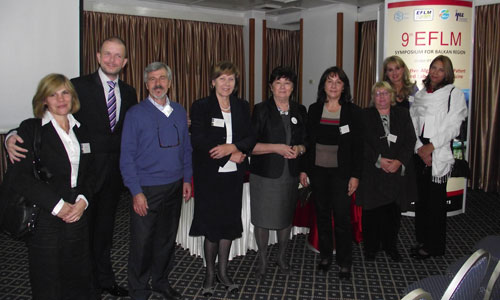
Nine years ago, EFLM appointed the Society of Medical Biochemists of Serbia as host of educational symposium for clinical chemists of the Balkan region. This year's, 9th EFLM Symposium for Balkan Region entitled "Integrative Algorithms in Patient Focused Laboratory Medicine" was organized under the auspices of the IFCC, Balkan Clinical Laboratory Federation, Ministry of Education, Science and Technological Development of Serbia, and Ministry of Health of Republic of Serbia. The two-day symposium was held from October 3rd to 5th as part of the EFLM Committee of Education and Training and EFLM Working Group on Congress and Postgraduate Education activity in 2013. The first section was dedicated to the introduction to molecular-genetic diagnostics and molecular genetic markers, as a base for personalized medicine, presented by two leading Serbian scientists in this field – prof. Ivana Novaković (Institute of Human Genetics of Belgrade's University School of Medicine, Serbia) and prof. Sonja Pavlović (Institute of Molecular Genetics and Genetic Engineering of University of Belgrade, Serbia). After woods, we had the honor to listen about the incorporation of molecular diagnostics in clinical laboratories and quality assurance in molecular biomedicine and life sciences from the two leading experts in these fields, prof. Mario Pazzagli (Department of Clinical Physiopathology, University of Florence, Italy) and prof. Michael Neumaier (Institute for Clinical Chemistry, Medical Faculty Mannheim of University of Heidelberg, Germany). Second section was dedicated to patient focused management of thrombophilia. This complexed topic was opened with the lecture about its molecular basis, presented by dr Valentina Djordjević (Institute of Molecular Genetics and Genetic Engineering, University of Belgrade, Serbia). The talk about the laboratory investigation of thrombophilia followed through the comprehensive presentation of dr Sandra Margetić (Department of Laboratory Haematology and Coagulation, University Hospital Center, Zagreb, Croatia). The section was closed with the presentment of principles of integrative approach to patient with thrombophilia, when dr Gorana Matić from the Department of Haematology, Haemostasis, and Prevention of Thrombosis (Laboratory Medicine Center, Clinical Center of Vojvodina, Novi Sad, Serbia), presented their experiences in this field. Section three was dedicated to the detection of molecular defects in the field of endocrinology. The lecturers from the Clinic of Endocrinology, Diabetes and Metabolic Diseases of Clinical Center of Serbia and University of Belgrade's School of Medicine brought us closer to understanding the application of molecular diagnostics in the management of endocrine tumors. We had the privilege to listen about integrative protocols in evaluation of multiple endocrine neoplasia from the distinguished professor Svetozar Damjanović, and dr Dragana Miljić presented molecular defects in the pathogenesis of pituitary tumors. The role of pharmacogenetics in the treatment of diabetes was elaborated in the presentation of the esteemed professor Elizabeta Topić, Chair of the EFLM Committee of Education and Training, and professor at the Faculty of Pharmacy and Biochemistry of University of Zagreb, Croatia. The section was closed with the lecture about molecular genetics and molecular cytogenetics in the evaluation of congenital heart defects, presented by dr Goran Čuturilo from the Department of Clinical Genetics, University Children's Hospital of the University of Belgrade's School of Medicine, Serbia. The following section, dedicated to pharmacogenomics, was opened with the introduction by the distinguished professor Gerard Siest, from the research unit "Cardiovascular Genetics" of the Nancy University of Lorraine's Faculty of Pharmacy, France, with the emphasis on its future evolution and the role of the European Society of Pharmacogenomics and Theranostics (ESPT) in it. Professor Irena Mlinarič-Raščan from the University of Ljubljana's Faculty of Pharmacy, Slovenia, talked about the pharmacogenomics of thiopurine S-methyltransferase and presented her work in this field. The section was concluded with the lecture about pharmacogenomics of drugs for cardiovascular system, presented by dr Sanja Stanković (Center for Medical Biochemistry, Clinical Center of Serbia). The Symposium's closing section was dedicated to rare diseases. Professor Ksenija Fumić from Clinical Department of Laboratory Diagnostics of Medical Center of Zagreb and University of Zagreb's Faculty of Pharmacy and Biochemistry, Croatia, in her comprehensive lecture opened the section and presented integrative algorithms in diagnostics of lysosomal storage diseases. The talk about molecular basis, clinical presentation, therapeutic options and integrative approach in diagnostics of alpha-1-antitrypsin deficiency was presented jointly, from the aspect of both the laboratory and clinical practice professional, by dr Andjelo Beletić, from Center for Medical Biochemistry, and dr Aleksandra Dudvarski-Ilić, from Clinic of Pulmology of Clinical Center of Serbia. Dr Maja Stojiljković-Petrović, from the Laboratory for Molecular Haematology of University of Belgrade's Institute of Molecular Genetics and Genetic Engineering, concluded the section with her presentation of molecular characteristics, phenotypic diversity and genotype-estimated therapeutic responsiveness of Serbian patients with phenylketonuria. All sections were extremely well visited and about 250 registered participants and students attended the Symposium. The lectures instigated interesting discussions which completed the overall impression that once again Society of Medical Biochemists of Serbia organized a succesfull meeting according to the EFLM standards. |
| 7TH EFCC SYMPOSIUM FOR BALKAN REGION BIOMARKERS: FROM STANDARDIZATION TO PERFORMANCE |
| Prepared by Snežana Jovičić Institute of Medical Biochemistry Clinical Centre of Serbia Belgrade, Serbia At the end of June this year, the Society of Medical Biochemists of Serbia once again had the pleasure to welcome colleagues to the 7th IFCC Symposium for Balkan Region, organized traditionally under the auspices of the International Federation of Clinical Chemistry (IFCC) and European Federation of Clinical Chemistry and Laboratory Medicine (EFCC) in Belgrade. This year, the Symposium was dedicated to the burning issue of biomarkers, entitled "Biomarkers: From Standardization to Performance". Like in the past six years, many renowned lecturers marked this meeting. In the first section, professor Nada Majkić-Singh (Institute for Medical Biochemistry, Clinical Centre of Serbia, Belgrade, Serbia) introduced us with biomarkers, process of their validation and development of guidelines for biomarker application in her lecture entitled "What is Biomarker? From Discovery to Clinical Application". Professor Mauro Pantheghini's lecture (Department of Clinical Sciences "Luigi Sacco", University of Milan, Milan, Italy) was about standardization approaches and definition of performance requirements for heterogeneous biomarker assays. Professor Patrick M.M. Bossuyt (Department of Clinical Epidemiology and Biostatistics, Academic Medical Center, University Amsterdam, The Netherlands) defined biomarker performance and clinical validity, expressed in terms of the marker's accuracy, and summarized and presented the available measures of diagnostic accuracy. Second section was dedicated to the use of biomarkers in cardiovascular events and it was opened with professor Victor Blaton's talk (Department of Clinical Chemistry, Hospital AZ Sing-Jan AV, Brugge, Belgium) about novelties among prospective markers in this field. Professor Grazyna Sypniewska (Department of Laboratory Medicine, Collegium Medicum, Nicolaus Copernicus University, Bydgoszcz, Poland) presented results of her group's study about performance of apolipoproteins B and A by comparing apolipoprotein concentrations and apoB:apoA-I with traditional lipid measures and atherogenic indices in as biomarkers in acute coronary syndrome patients. Adriana Unić (Clinical Department of Laboratory Diagnostics, Dubrava University Hospital, Zagreb, Croatia) summarized the recent progress in the diagnostic use of copeptine, C-terminal part of the arginine vasopressin precursor peptide found to be stable and sensitive marker for antidiuretic hormone release, in cardiovascular diseases. This section was closed by Sanja Stanković (Institute of Medical Biochemistry, Clinical Centre of Serbia, Belgrade, Serbia) with an overview of potential new roles for myeloperoxidase as biomarker in cardiovascular disease. The second day of the symposium started with professor Bernard Gouget (Federation Hospitailiere France, Paris, France), who opened the third section with his special lecture on biomarkers, biospecimen and European biobanking infrastructures for translational research. Professor Philippe Gillery (Laboratory of Pediatric Biology and Research – University Hospital of Reims and Laboratory of Medical Biochemistry and Molecular Biology, Faculty of Medicine of Reims, France) introduced us with nonenzymatic post-translational modification derived products as new biomarkers of protein aging. This section was concluded with professor Diler Aslan's lecture (Pamukkale University School of Medicine, Department of Medical Biochemistry, Denizli, Turkey), where biomarkers recommended for prediction or diagnosis of diabetes complications in the clinical practice and laboratory medicine guidelines were reviewed and results of several clinical studies were summarized. The fourth section started with the lecture about a novel combination of biomarkers for the prediction of ovarian cancer, including human epididymis protein 4 (HE4) and CA125, presented by professor Demetrios Rizos (Medical School, University of Athens, Greece). Professor Andrea Griesmacher (Central Institute of Medical and Chemical Laboratory Diagnostics, LKH – University Hospital of Innsbruck, Austria) continued with the overview of biomarkers for bone turnover. This section was concluded with the review of biomarkers of fetal anomalies incorporated in first and second trimester screening strategies presented by professor Svetlana Ignjatović (Institute of Medical Biochemistry, Clinical Centre of Serbia, Belgrade, Serbia). The fifth and last section was, traditionally, dedicated to experiences from Balkan region in the use and development of biomarkers. It started with the lecture of Miroslava Janković (Institute for the application of Nuclear Energy – INEP, University of Belgrade, Serbia) about the status and perspective of glycans as biomarkers and about the glycome as promising source of new biomarkers. Afterwards, professors Majkić-Singh, Blaton and Ignjatović chaired the round table discussion on presented topics. This closed the formal part of the symposium, but it continued outside Belgrade. The two following weekend days the participants and lecturers spent on the road, or railway to be precise. They went on the nostalgic travel through time with the Blue Train – a special train used for the needs of Josip Broz Tito, lifelong President of the Socialistic Federal Republic of Yugoslavia. It is one of the most famous and most popular trains in the whole world, built in 1959 for special needs of president Tito. Designed as a place that provides accommodation, working conditions and opportunity to complete all protocol obligations while traveling, this train was real residence on wheels in the country and abroad. The destination was Mokra Gora, a mountain in the western part of Serbia, between mountains Zlatibor and Tara. There, they have changed the commodity of the presidential train with "Šargan eight", another curiosity of the Railway Museum of Serbia. From 1925 to 1974, this was the popular route from Belgrade to Dubrovnik and Zelenika on the Adriatic coast, where on 760 mm narrow-gauge track, , through tunnels, over the bridges and through mountain gorges, ran famous steam locomotive train "Ćira". Now, one part of this railway is renewed on the route from station Šargan Vitasi to Mokra Gora, which represents unique construction work, passes through 22 tunnels, over five bridges, and overcomes the altitude difference of 300 meters, and all that on a total distance of 15440 meters. Here, the participants had an opportunity to see all the beauty and richness of the nature of this region. The visit to the town of Drvengrad was unforgettable. Situated on the top of Mećavnik hill, Drvengrad (Wooden Town) was built by the world famous film director Emir Kusturica after the shooting of his film "Life is a miracle" in the site of Mokra Gora. Drvengrad presents unique ethno village, typical settlement of this area of XIX century, consisting of wooden buildings, such as so called cottages, characteristic for living on the nearby mountains. After two days of enjoying the intact nature of Western Serbia and its food specialties, the caravan of biochemists arrived back to the Belgrade Main Railway Station. This definitely ended this year's EFCC Symposium for Balkan Region, leaving all participants with valuable new knowledge of biomarkers, but also with some unforgettable memories.
|
| INFORMATION ON THE 6th EFCC SYMPOSIUM FOR BALKAN REGION AND THE 17th SERBIAN CONGRESS OF MEDICAL BIOCHEMISTRY AND LABORATORY MEDICINE |
By Professor Dr. Nada Majkic-Singh The topics selected covered in a multidisciplinary fashion the field of laboratory medicine and other medical sciences. A number of experts in various areas actively took part by contributing their work, which further accentuated the multidisciplinary character of the Congress. Like in previous years, this Congress has, therefore, made it possible for the latest scientific and expert results to be presented to clinical chemists from Serbia and the Balkan region and has served as a place for exchanging experiences in order to promote Round table discussions on the topics presented served as the basis for reaching Conclusions and Guidelines in this area of laboratory medicine, with the aim of achieving the best possible treatment results for the benefit of patients. A permanent exhibition of equipment and reagents was on display during the Congress and Symposium, and many practical workshops were organized by various companies. Organization of the National 17th Serbian Congress of Medical Biochemistry and Laboratory Medicine and 6th EFCC Symposium for the Balkan region was the result of engagement and effort by the coordinators and all members of the Scientific and Organizing Committees. More than 450 participants from Serbia and other Balkan countries were actively engaged in the Congress and Symposium, and we can only hope that the program we had to offer met their expectations and that through such an exchange of experiences they were able to enrich their knowledge, which will doubtlessly be useful in everyday laboratory practice. We also sincerely hope that Belgrade, our ancient city upon two rivers, was recognized as a kind and interesting host that the Congress participants will carry in their hearts for a long time. All lectures are published in the national journal of the Society of Medical Biochemists of Serbia – Journal of Medical Biochemistry 2010; 29: 131–230, and 29: 231–492 (www.versita.com).
|
| THE 5th EFCC SYMPOSIUM FOR BALKAN REGION |
| Contributed by Prof. Dr. Nada Majkic-Singh, President of the Society of Medical Biochemists of Serbia The Society of Medical Biochemists of Serbia and the Institute of Medical Biochemistry of the Clinical Centre of Serbia jointly organized the Fifth EFCC Symposium for the Balkan Region entitled “Proteins: from electrophoresis to proteomics” in Belgrade, from October 8-19, 2009. The Symposium was organized under the auspices of the International Federation of Clinical Chemistry and Laboratory Medicine (IFCC), European Federation of Clinical Chemistry and Laboratory Medicine (EFCC) and the Balkan Clinical Laboratory Federation (BCLF), as well as under the Ministry of Science of the Republic of Serbia. The Society, as the member of IFCC and EFCC, greatly appreciates the role it has in the continuing development of our discipline according to the IFCC mission and the Strategic plan. The symposium coordinators were Prof. Dr Nada Majkić-Singh, Chair of the Meeting, and Professor Victor Blaton, EFCC Past President. The idea of this EFCC Symposium was to show how the continuum of different electrophoretic techniques for protein profiling can contribute to proteomics by allowing the detection and measurement of a wide array of proteins, and the definition of their structures and functions. The proteome is defined as the entire array of proteins, including their post-translational modifications, produced by an organism or system. Thus the proteome will vary with time and physiological or pathological events, or stresses, that a cell or organism undergoes. Proteome analysis is emerging as a potentially powerful tool to decipher pathophysiological processes, resulting in the establishment of the field of clinical proteomics. One of the main goals of clinical proteomics is to discover biomarkers for diseases in biological fluids and tissues. The complexity of the proteome requires a separation step by different electrophoretic techniques before the analysis by mass spectrometry. The 1st part of the 5th Symposium covered the clinical utility of serum protein electrophoresis (Xavier Bossuyt, Belgium), agarose gel electrophoresis and capillary electrophoresis in clinical chemistry (Jean-Francois Giot, France), the use of lab-on-chip electrophoresis and other methods in protein profiling (Olgica Trenčevska, North Macedonia), MADGE-Microplate array diagonal gel electrophoresis (Sanja Stanković, Serbia), isoelectrofocusing and PCR amplification-reverse hybridization assay in evaluation of alfa-1-antitrypsin deficiency (Anđelo Beletić, Serbia) and application of proteomics techniques in biomarker discovery (Antonia Vlahou, Greece). The 2nd part of Symposium covered the urinary proteome analysis using capillary electrophoresis coupled to mass spectrometry as a powerful tool in clinical diagnosis, prognosis and therapy evaluation (Harald Mischak, Germany), glucocorticoid receptors in health and disease (Gordana Matić, Serbia) and molecular diagnosis of phenylketonuria: from detective protein to disease-causing gene mutation (Sonja Pavlović, Serbia). The following lectures covered experiences in clinical protein arrays: biochip cardiac array technology (Grazyna Sypniewska, Poland), cytokine and growth factor array (Hans J. van Pelt, The Netherlands), colorectal cancer array – simultaneous analysis of DNA alternations with biochip array technology (Andrew Cartwright, UK) and multiparameter testing of colorectal cancer (Bernhard Risse). Jim Thorn (United Kingdom) presented the use of the Analis CDT assay for screening for alcohol abuse. The organization of the 5th EFCC Symposium for Balkan Region was the result of work and effort of coordinators and of the Organizational Committees. More then 300 participants from Serbia and Balkan counutries participated actively in the Symposium. During the Symposium a permanent exibition of equipment and reagents organized by different companies has been display. All lectures are published in Journal of Medical Biochemistry 2009; 28: 221-326 (www.versita.com) the National Journal of the Society of Medical Biochemists of Serbia.  Lecturers of the 5th Symposium for Balkan Region(From left to right): Anđelo Beletić, Olgica Trenčevska, Sanja Stanković, Nada Majkić-Singh, Antonia Vlahou, Victor Blaton, Andrew Cartwright, Svetlana Ignjatović, Jim Thorn, Xavier Bossuyt |
| INFORMATION ON THE 16th CONGRESS OF MEDICAL BIOCHEMISTS OF SERBIA AND THE 4TH EFCC SYMPOSIUM FOR BALKAN REGION |
| By Professor Dr. Nada Majkic-Singh President of the Society of Medical Biochemists of Serbia And the Scientific Committees of the Congress and Symposium The 16th Congress of Medical Biochemistry and Laboratory Medicine with international participation have been organized by the Society of Medical Biochemists of Serbia and the Institute of Medical Biochemistry of the Clinical Centre of Serbia. The Congress was organized under the auspices of the International Federation of Clinical Chemistry and Laboratory Medicine (IFCC), European Federation of Clinical Chemistry and Laboratory Medicine (EFCC) and the Balkan Clinical Laboratory Federation (BCLF), as well as the Ministry of Science of the Republic of Serbia. As part of the Congress, on the 19th and 20th of June 2008 the 4th EFCC Symposium for the Balkan Region entitled The Impact of the Preanalytical Phase on the Quality of Laboratory Results was held. Photo: Professor Dr. Nada Majkic-Singh 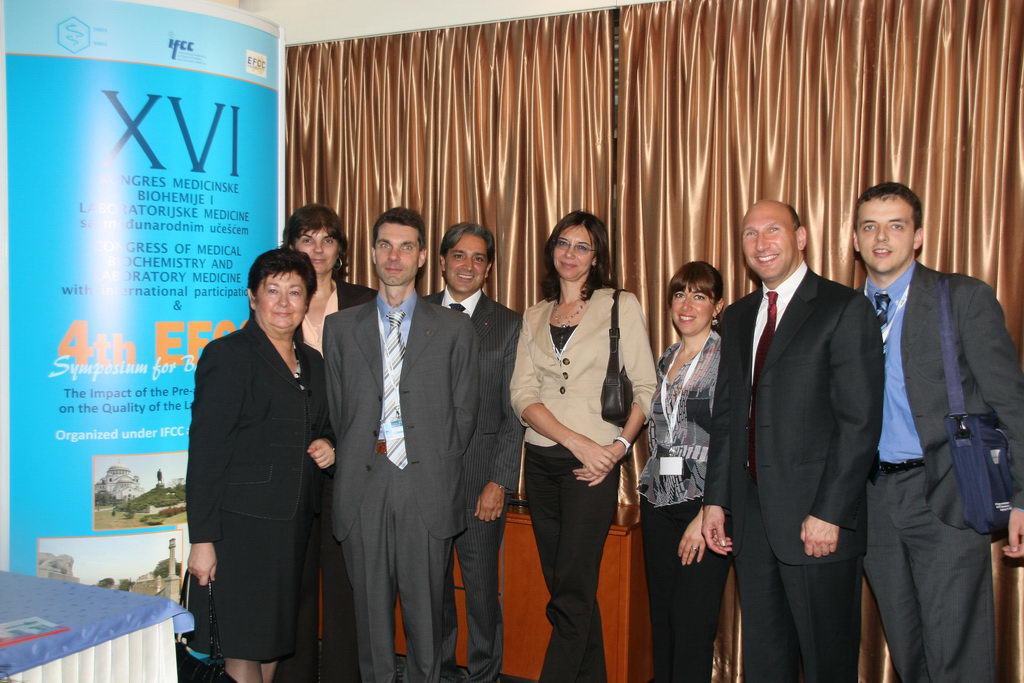 Photo (legend): Lecturers of 4th EFCC Symposium for Balkan Region From left to right: N. Majkić-Singh, A. Stanković, G. Lipi, L. Drago, S. Ignjatović, C. Mattiuzzi, S. Green and G.L. Salvagno The organization of the Congress was the result of work and effort of all the members of the Scientific and Organizational Committees, comprised of distinguished local experts in this area. More than 400 participants from Serbia and some 100 specialists from abroad participated actively in the work of the Congress. The plenary sections of the 16th Congress of Medical Biochemistry and Laboratory Medicine have been dedicated to the latest findings in the field of biochemical markers of various diseases and states, namely to the importance of markers of atherosclerosis, cardiac markers in patient treatment, biomarkers of inflammation and apoptosis, markers of ischemic stroke, certain forms of apolipoproteins, bone markers – their nature and application, markers of kidney diseases, prostate cancer and urinary tract tumor, diabetes, and up-to-date patient treatment in intensive care. The influence of oxidative stress on the appearance of a disease, as well the role of functional foods in the promotion of health has been also deliberated. A separate section was dedicated to the application of quality indicators in medical laboratories relating to sensitivity and accuracy of the results, ways of avoiding errors in laboratories and the process of laboratory accreditation as a means of avoiding and diminishing errors and improving the general quality of the laboratory work. Besides the presentations by local experts, in the program of the Congress participations took the numbers of distinguished lecturers from the United States of America, Switzerland, Germany, Hungary, England, Italy, Montenegro, North Macedonia, Bulgaria and the Republic of Srpska. The majority of registered participants presented the results of their scientific and expert research as part of the poster presentations which included cardiovascular diseases and cardiac markers, methods in clinical chemistry, proteins and enzymes, lipids and lipoproteins and free topics. The topics selected covered in a multidisciplinary fashion the field of laboratory medicine and other medical sciences. The multidisciplinary character of the Congress is further accentuated by the fact that many experts of various profiles took active part with their work. Therefore, like in the previous years, this Congress allowed for the latest scientific and expert results to be presented and for experiences to be exchanges, which will contribute to the promotion of contemporary laboratory practice. During the Congress the 4th EFCC Symposium for Balkan Region held under the titled The Impact of the Preanalytical Phase on the Quality of Laboratory Results, where the latest findings regarding the application and significance of the impact of preanalytical factors on the quality of laboratory results have been presented with the goal of preventing preanalytical errors that can cause damage to the patients as well as the entire laboratory procedure. Safety measures during the process of collecting biological samples from patients e.g. during venipunctures, for the purpose of protecting the patients also have been discussed. Besides presentations on the impact of the preanalytical phase in hematology, sample stability, the recommendations and ways of educating staff regarding the quality of diagnostic samples have been reviewed. In order to achieve the best possible results, the participants presented the new approaches in laboratory medicine dealing with the application and philosophy behind the LEAN and SIX SIGMA techniques. Experts from Europe (Italy, Germany, and Belgium) and America participated in the Symposium. The main tittles of the presentations and lecturers have been: Impact of preanalytical variables on specimen quality (Sol Green, USA), Misidentification and other preanalytical errors (Pierangelo Bonnini, Italy), Standards of safety in blood collection (Camilla Mattiuzzi, Italy), Preanalytical phase in haematology (Giuseppe Banfi, Italy), Governance of the preanalytical phase: error detection (Giuseppe Lippi). Quality of diagnostic samples, recommendations and educational tools (Walter Guder, Germany), Sample stability (Gian Luca Salvagno, Italy), and Application of Lean and Six Sigma to the preanalytical phase (Ana Stanković, USA). The experiences in the pre-analytical phase technology in medical laboratories in Balkan region have been presented by Zorica Šumarac (Serbia), Manole Cojocaru (Romania), Anna Tzontcheva (Bulgaria), Aggeliki Stathaki (Greece), Gheorghe Benga (Romania), George D. Maropoulos (Greece). Round table discussions on the topics presented served as the basis for reaching conclusions and guidelines in this area of laboratory medicine with the aim of achieving the best possible results to the benefit of patient treatment. During the course of the Congress and Symposium a permanent exhibition of equipment and reagents has been on display, and many practical workshops have been organized by different companies. As Society of Medical Biochemists of Serbia was appointed by EFCC as organizer of the Symposium for the Balkan Region and University of Belgrade (Serbia) the EFCC Educational Centre, Professor Victor Blaton, EFCC President during the opening of the Symposium presented the lecture on the EFCC activities and a new vision of the development of clinical chemistry and laboratory medicine in Europe. |
| 3rd FESCC SYMPOSIUM FOR BALKAN REGION |
|
Belgrade, September 20–22, 2007.
The 3rd FESCC Symposium for Balkan Region entitled “Theory and Application of Evidence-Based Laboratory Medicine”, held September 20–22, 2007 in Belgrade, was jointly organized by the Society of Medical Biochemists of Serbia, Institute of Medical Biochemistry of the Clinical Centre of Serbia, and the Committee on Evidence-Based Laboratory Medicine of the International Federation for Clinical Chemistry and Laboratory Medicine (IFCC). The Symposium was held under the auspices of the IFCC, European Federation for Clinical Chemistry and Laboratory Medicine (EFCC) and the Balkan Clinical Laboratory Federation (BCLF). The Symposium for Balkan Region is organized in Belgrade on a regular basis, since Belgrade has been chosen as the regional centre by the EFCC with the purpose of hosting meetings dealing with the education and promotion of experts in the field of Laboratory Medicine in the Balkan region... |
| Reflection on 5th RoEQALM Symposium |
Contributed by Manole Cojocaru MD, PhD How can we improve and guarantee the medical laboratory services? What are the differences between Romania and other countries from EU? What is the best way for learning from the European experience? How should quality assurance programmes be organized? How should quality assurance be undertaken? What should quality assurance programmes accomplish? The 5th edition of the successful series of Quality Assurance in Laboratory Medicine Symposia was organized by the Romanian Society for External Quality Assurance in Laboratory Medicine (RoEQALM) in Sibiu (European Cultural Capital in 2007) between 11-13 May 2007... |
| 6TH NATIONAL CONGRESS OF LABORATORY MEDICINE |
The 6th National Congress of Laboratory Medicine with international participation (under the auspices of IFCC, FESCC, BCLF, WASPaLM, under the high patronage of Academy of Medical Sciences) was held in conjunction with the 2nd Symposium of Immunopathology and the 2nd National Congress for Clinical Laboratory Assistants at Cercul Militar from October 11-13, 2007 in the special ambiance in beautiful city Sibiu (European Cultural Capital in 2007 together with Luxemburg), localized in the center of Romania. The coming to Sibiu is both extraordinary and miraculous (it was founded over 800 years ago). Sibiu has a fascinating history, enriched by the cultural, ethnic and religious diversity for which it is well-known. The venue offers a unique opportunity to intensively interact with colleagues of various specialties: molecular biology, hematology, microbiology, immunology, clinical chemistry, genetics... |
 |



Optimized for Microsoft Internet Explorer