60th Anniversary of the SMBS & 11th EFLM Symposium for Balkan Region

 Download (450 KB) Download (450 KB)
REGISTRATION FORM (1.2 MB)
------
------
10th EFLM Symposium for Balkan Region Held in Belgrade on September 9-13
“Integrative Algorithms in Patient Focused Laboratory Medicine”
EFLM CORNER by Dr. Snezana Jovicic
Society of Medical Biochemists of Serbia
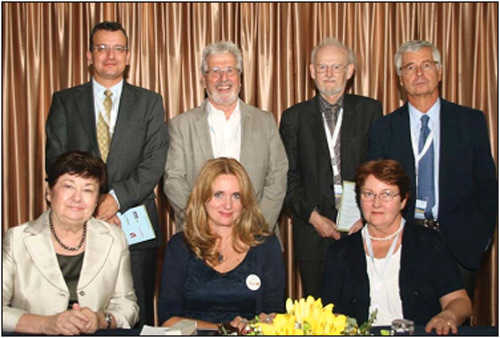
Photo: (From left to right) Sitting: N. Majkic-Singh, Z. Sumarac, M. Cvorkov-Drazic;
standing: I. Balogh, E. Delvin, R. Pollitt, A. Burlina
Тhe end of summer and first days of autumn are the traditional season for Belgrade meetings of medical biochemists of Serbia. This year, September 9–13, 2014, were the days of the 19th National Congress of Medical Biochemistry and Laboratory Medicine and of the 10th EFLM Symposium for the Balkan Region. The Society of Medical Biochemists of Serbia and the European Federation of Clinical Chemistry and Laboratory Medicine (EFLM) together with the Medical Biochemistry Clinical Center of Serbia, and Faculty of Pharmacy University of Belgrade organized in Belgrade (September 11–12, 2014) the 10th EFLM Symposium for Balkan Region under the title "Pediatric Laboratory Medicine: Some Aspects of Obesity, Metabolic Syndrome, Neonatal Screening, Reference Intervals and Critical Values." EFLM appointed Belgrade (Serbia) and the Society of Medical Biochemists of Serbia (SMBS) as the organizer of educational symposia for clinical chemists in the Balkan region and as a result of this decision ten symposia have been organized thus far very successfully. The 10th EFLM Symposium for Balkan Region is organized under the auspices of the International Federation of Clinical Chemistry (IFCC), Balkan Clinical Laboratory Federation (BCLF), as well as the Ministry of Education, Science and Technological Development, and Ministry of Health of Republic of Serbia. The Scientific Committee mem- bers were Symposium President Nada Majkic-Singh (Serbia), Edgard Delvin (Canada), Elizabeta Topic (Croatia), Grazyna Sypnievska (Poland), and Svetlana Ignjatovic (Serbia).
The Symposium lectures were presented through three sections: Pediatric Obesity – Insulin Resistance – Non-alcoholic Fatty Liver Disease (NAFLD); Neonatal Screening for Metabolic Dis- ease (two parts); and Pediatric Reference Intervals and Critical Values. The lecturers were from Canada (2), Italy (2), Macedonia (2), Serbia (5), UK (1), Hungary (1), Slovenia (1), France (1), and Sweden (1). The papers of the lectures presented were published in Journal of Medical Biochemistry 2015;34:1-150 (www.degruyter.com/view/j/jomb). Special thanks of the organizers go to Prof. Edgard Delvin (Montreal Children's Hospital, McGill University, Mon- treal, Canada) who helped to design the program of the symposium, and suggested the topics and lecturers.
The first section of the symposium was dedicated to pediatric obesity, insulin resistance and non-alcoholic fatty liver disease (NAFLD). Prof. Delvin gave the introduction with the lecture about the prevalence, secular trends and consequences of obesity, where he also mentioned the fundamentals of sented results of several studies in obese children of different ages performed in the Republic of Macedonia, which showed higher leptin and lower adiponectin levels in obese children, who also presented with a more atherogenic lipoprotein profile, associated with increased insulin resistance, emphasizing the need for the onset of therapy preventing cardiovascular complications at a younger age. Prof. Vera Zdravkovic closed the first section with the talk about the importance of early diagnosis of prediabetes, as early complication of childhood obesity, and non-invasive methods to perform it. The second section was dedicated to the neonatal screening for metabolic disorders. The opening lecture by Prof. Rodney Pollitt (Sheffield Children's Hospital, UK) reviewed different viewpoints and international perspectives on newborn screening, which was an excellent introduction for the issues in standardization of neonatal screening programs presented by Prof. Alberto Burlina (University of Padua, Italy). Prof. Istvan Balogh (Department of Laboratory Medicine, University of Debrecen, Hungary) talked about the relevance of adding the detection of population-specific mutations to commercial allele specific CFTR gene mutation detection method in order to achieve the required sensitivity of molecular testing in newborn screening. The first part of the section was closed with Serbian experiences in screening in the prevention of Thalassemia syndromes, presented by Dr. Milica Cvorkov-Drazic (Society of Medical Biochemists of Serbia). The second part continued with the presentation of results of the study of direct molecular diagnosis of CYP21A2 point mutations in Macedonian and Serbian patients with 21-hydroxylase deficiency by Prof. Violeta Anastasovska (Genetic Laboratory, Department of Endocrinology and Genetics, University Children's Clinic, Skopje, Republic of Macedonia). Prof. Barbka Repic Lampert (Unit for Special Laboratory Diagnostics, University Children Hospital, University Medical Center Ljubljana, Slovenia) presented the selective screening for metabolic disorders in a Slovenian pediatric population. The section dedicated to newborn screening was closed by Dr. Tatjana Milenkovic (Department of Endocrinology, Mother and Child Health Care Institute of Serbia "Dr. Vukan Cupic," Belgrade, Serbia), who presented their 30 years' experience with the screening program for congenital hypothyroidism in Central Serbia (1983–2014). The Symposium was closed with current issues in pediatric reference intervals and critical values. Prof. Joseph Henny (Versailles Saint Quentin University, Villejuif, France) introduced the concepts and complexity in establishing reference values in pediatrics. Afterwards, Prof. Khosrow Adeli (Clinical Biochemistry, The Hospital for Sick Children, University of Toronto, Canada) discussed the concept and feasibility of common reference intervals, as well as the CALIPER reference interval database. Finally, the epidemiology and pathophysiology of NAFLD, and covered the present biomarkers and the development of new ones. Prof. Valerio Nobili (Bambino Gesu Children's Hospital, Rome, Italy) continued with the epidemiology and natural history of NAFLD, elaborating on the complex interplay between genes and the environment in NAFLD pathogenesis, and the possibility of discovering the potential early predictors and suitable noninvasive diagnostic tools based on the pathogenetic mechanisms and histological patterns. Metabolic setup and risks in obese children was discussed by Prof. Mirjana Kocova (University Pediatric Clinic, Skopje, Republic of Macedonia). Prof. Kocova presection and the whole symposium was concluded by Prof. Peter Ridefelt (Department of Medical Sciences, Clinical Chemistry, Uppsala University, Sweden), who presented the results of a population-based Swedish study which obtained pediatric reference intervals, and emphasized the problem of lacking reference intervals for the youngest age group – those under six months of age.
The design of the program of this symposium enabled the laboratory professionals in the Balkan region and our country to learn about this very important area of laboratory medicine. The presence of excellent lecturers and professionals in this field gives very high recognition and prestige to this meeting, which will influence the development of clinical chemistry and laboratory medicine in the Balkan region. We hope that the EFLM Symposium in Belgrade will continue its successful progress like in previous years, striving to focus on the new data in the field of laboratory medicine.
------
SOCIETY OF MEDICAL BIOCHEMISTS OF SERBIA – 60th YEAR ANNIVERSARY
Prepared by Nada Majkić-Singh1)*
The Society of Medical Biochemists of Serbia (SMBS) on May 15, 2015 will celebrate 60-year anniversary. In 2005 the Society of Medical Biochemists of Serbia (SMBS) celebrated 50 years of its existence and work, and on that occasion the IFCC awarded the Society a prize for serving and supporting Clinical Chemistry and Laboratory Medicine both in Serbia and globally. For the occasion of the 50th anniversary, the Society organized the First FESC Symposium for the Balkan region (Belgrade, June 2005) on Education, Management and Standards in Laboratory Medicine with important participants from the IFCC, FESCC and EC4. 11th EFLM Symposium for Balkan region under the title "Laboratory Medicine Specialist focuses on the Patients Wellbeing" will be organized on May 15, 2015 during the celebration days of 60-year aniversary with par- ticipation of the European and domestic specialists in field of education, accreditation, quality manage- ment, quality indicators, continuing medical educa- tion and patient safety in laboratory medicine.
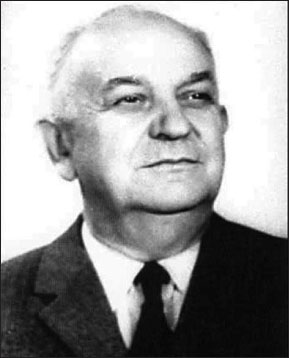
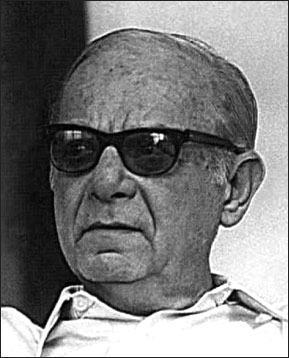
Professor Pavle Trpinac, one of the Society founder
The Society of Medical Biochemists of Serbia (former Yugoslavia – YuSMB) was established in 1955, although medical biochemists (clinical chemists) in Serbia had already joined together in professional associations after World War II. Even before 1950, the Pharmaceutical Society of Serbia hosted laboratory experts, among whom the most active were Prof. Dr. Aleksandar Damanski in Bromatology, Prof. Dr. Momčilo Mokranjac in Toxicology and Assistant Professor Dr. Pavle Trpinac in Biochemistry. Firstly, the Section for Sanitary Chemistry of the Serbian Pharmaceutical Society, combining medical biochemists, sanitary chemists and toxicologists, was founded on January 1st, 1951. Later on this Section grew to become the Serbian Section for Medical Biochemistry, the first President of which was Professor Dr. Pavle Trpinac.
On 15 May 1955, during the Sixth Plenum of the Alliance of Pharmaceutical Societies of Yugoslavia held in Split, the decision was passed to set up Yugoslav Section for Medical Biochemistry of Yugoslav Pharmaceutical Society that was renamed into Yugoslav Society for the Medical Biochemistry during Society Meeting held on 15th May 1965 in Banjaluka.
 |
 |
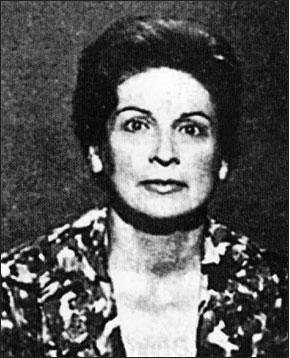
Mr ph Tatjana Plećaš-Drljača,
one of the first Society President |
Professor Ivan Berkeš,
founder of specialization in medical biochemistry |
In May 1971, the Society of Medical Biochemists of Yugoslavia became the 28th member of the International Federation of Clinical Chemistry (IFCC). At that time the president of YuSMB was Tatjana Plećaš-Drljača. The Society of Medical Biochemists of Serbia and Montenegro becomes also a member of the FESCC, now European Federation for Clinical Chemistr y and Laborator y Medicine (EFLM) and the regional Balkan Clinical Laboratory Federation (BCLF) organization.
In 2006 the Society was renamed to the Society of Medical Biochemists of Serbia (SMBS). The Society is run by the Executive Board and the Assembly and acts through various committees for: science, education, standardization, organization and technolgy of laboratory services, quality control, as well as quality management ad accreditation, cooperation with industry, history of medical biochemistry and clinical chemistry, award committee, ethics committee, and committee for cooperation with IFCC, EFCC, BCLF, and related organization in country and abroad.
Since its establishment the Society has undertaken significant activities in all fields of clinical chemistry according to the guidelines and orientation of the IFCC. The main activities of the Society are in the field of education, and the organization of laboratory services, external quality control, conferences and publishing. In collaboration with the Faculty of Pharmacy, the Society has devised education programs for undergraduate and postgraduate clinical chemists (master's degree and residency) through which fulltime 5-year studies for medical biochemists and subsequent 4-year advanced training are being successfully completed. A very important role in establishing the specialization of medical biochemistry in Yugoslavia was played by Professor Ivan Berkeš as the founder of medical biochemistry and clinical enzymology.
The Society of Medical Biochemists of Serbia has collaborated with the Ministry of Health for the organization of laboratory services within all segments of the healthcare service (primary, secondary, and tertiary healthcare) in terms of implementing plans of action, education, organization, equipment, etc. In addition, a program of external quality control has been carried out since 1965 within the laboratories organized by the Yugoslav Society of Medical Biochemists, recently called the SNEQAS program. External quality assessment is implemented throughout our health system, which allows continual improvement of the workflow in all clinical biochemical laboratories in Serbia. To improve and maintain the quality of services, the Society, together with the Institute of Medical Biochemistry of the Clinical Center of Serbia and the Accreditation Body of Serbia and Montenegro (ATS), started working on the introduction of a quality management system according to standard ISO 9001, and accreditation to ISO 17025 and ISO 15189. In all this activities special role had Professor Nada Majkić-Singh, the Society President.
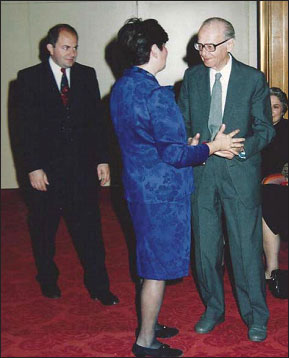
Professor Nada Majkić-Singh deliver the Society Diploma to Professor I. Berkeš
The Society is involved in significant publishing activity. Experts of the Society have participated in the preparation of published professional methodological guidebooks for the field of medical biochemistry through the Republic and Federal Ministries of Health. For over 20 years, the Society has published the journal "Jugoslovenska Medicinska Biohemija" (Yugoslav Medical Biochemistry), since 2007 known as Journal of Medical Biochemistry (https://www.degruyter.com/view/j/jomb), internationally recognized, as well as a series of books and scientific literature written by its members. It is worth mentioning that the Society published a monograph with the title "Development of Medical Biochemistry in Yugoslavia" (Majkić-Singh N, Đurđević J, Kavarić J, 1998) illustrating the development of medical biochemistry in our country since the Middle Ages.
The first professional and scientific meeting of medical biochemists in Yugoslavia was held in 1955 in Zagreb, and the first Congress of Medical Biochemists of Yugoslavia was held in 1963 in the same town. Each new congress represented a step forward in the development of science and quality. At present, the Society is involved in the organization of congresses (biennial), and events such as Biochemical days (every year), and Innovations in laborator y medicine (every year, International Fair on Medical Equipment Medipharm, Belgrade). The XIXth Congress of Medical Biochemistry and Laboratory Medicine will be held this year in Belgrade (2014). The Society regularly organizes courses for continues medical education of clinical chemists. In addition, as a member of the Balkan Clinical Laboratory Federation, the Society of Medical Biochemists of Serbia organized three congresses of the Balkan Clinical Laboratory Federation, the Fourth Congress in 1996 in Budva and the 11th Congress (Belgrade, 2003) and 20th BCLF Congress (Belgrade, 2012). Plenary lectures presented at these congresses are published in the monograph Advances in Laboratory Medicine (YuSMB, 1996), "Yugoslav Medical Biochemistry" (2004), and Journal of Medical Biochemistry (2012).
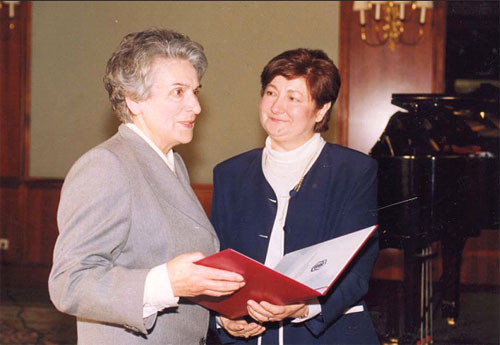
Professor Nada Majkić Singh deliver the Society Diploma to T. Plećaš Drljača
 |
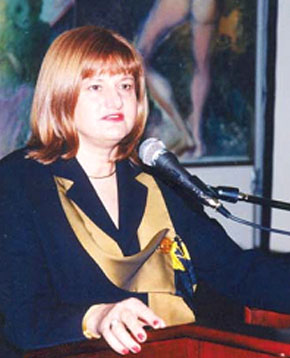 |
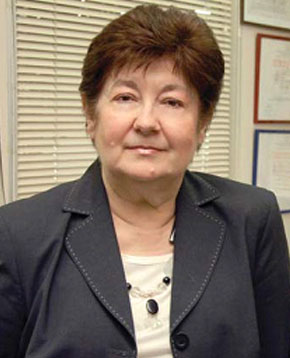
Professor Nada Majkić-Singh
Society President (1988–2012) |
Primaries Olivera Janković
General Secretary (1988–2012) |
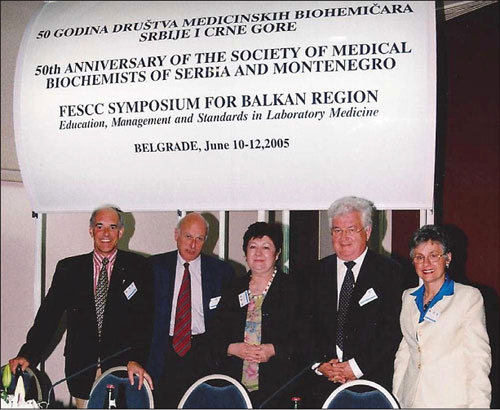
The lectures on the First FESC Symposium for Balkan Region (Belgrade 2005)
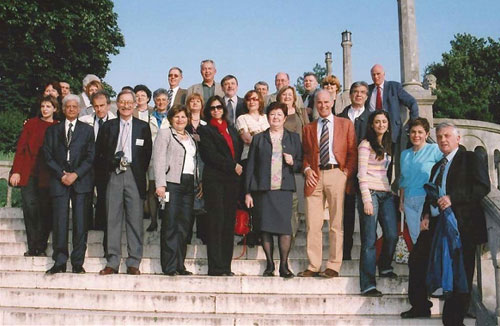
Participants on 50-year Society Anniversary (Belgrade, 2005)
EFLM appointed the Society of Medical Biochemists of Serbia and Belgrade (Serbia) as the organizer of educational symposia for clinical chemists in the Balkan region and as a result of this decision nine symposia have been organized thus very successfully on different topics from the profession practice and laboratory medicine. The 10th EFLM Symposium for Balkan Region will be held this year (2014) under the title "Pediatric Laboratory Medicine: Some Aspects of Obesity, Metabolic Syndrome, Neonatal Screening, Reference Intervals and Critical Values". The Congresses end Symposia are held under the auspices of the International Federation of Clinical Chemistr y and Laborator y Medicine (IFCC), European Federation of Clinical Chemistry and Laboratory Medicine (EFLM) and Balkan Clinical Laboratory Federation (BCLF), as well as the Ministry of Science and Health of the Republic of Serbia.
The Society established the "Professor Ivan Berkeš" Scientific Conference, devoted to the founder of clinical chemistry in Yugoslavia, which takes place in Belgrade every year (sixteen scientific conferences have been organized so far). The Society of Medical Biochemists of Serbia founded also Magistra Milica Marković Fund. During the scientific and professional conferences organized each year the Society awarded the best students of the Pharmaceutical Faculty and clinical chemists, Society members.
The Society has Centre for Continuing Medical Education who organized the education for medical and clinical chemists in Serbia. Ethics Committee takes care of personal and professional ethics or codes of behavior of the Society members. The Awards Committee recognizes and individual or organization who has made outstanding contribution to the Society, and promoting Clinical Chemistry and Laboratory Medicine in Serbia and globally.
The members of the Society of Medical Biochemists of Serbia actively participate in all IFCC and other relevant Congresses and Conferences in the field of clinical chemistry and laboratory medicine. This participation promotes the implementation of standard procedures for diagnosis, forming of proto- col and implementing uniform organization in all lab- oratories in the country.
The purpose of the SMBS is to engage all medical biochemists in the development and improvement of all the branches of medical biochemistry and labo- ratory medicine in the health service. Its tasks are as follows: to standardize operations in clinical biochem- ical laboratories, the education of young biochemists at all levels, to encourage scientific research, to set up working standards, and to implement ethics codes and monitor the compliance of health workers. The SMBS is also involved in promoting systemized standards in the field of medical biochemistry with the relevant republican institutions and in facilitating exchange of experience between its members with the members of affiliate associations at home and abroad.
SMBS had the main role in the establishing and organization the Chamber of Biochemists of Serbia (2006) responsible for giving the license to all medical biochemists working in health service in Serbia.
The Society of Medical Biochemists (https://www.dmbj.org.rs) has a wide net of regular members (over 700), associate members and student members. There is a growing tendency for other experts from related natural and medical disciplines to become members as well. As a member of all the internation- al expert and scientific organizations for clinical chemistry and related disciplines, i.e., laboratory medicine (International Federation of Clinical Chemistry and Laboratory Medicine, IFCC; European Federation for Clinical Chemistry and Laboratory Medicine, EFLM, and the Balkan Federation of Clinical Laboratory, BCLF) the Society is involved in cooperation on an international scale.
Since year 1988 to 2012 President of the Society has been Professor Nada Majkić-Singh, who was also the National IFCC Representative, and the General Secretary was Primaries Olivera Janković, who was the FESCC Representative of the Society. Currently the SMBS President is Dr Zorica [umarac, SMBS Director Professor Nada Majkić-Singh, who is IFCC and EFLM National Representative, and Pro- fessor Svetlana Ignjatović is BCLF Representative.
References
1. IFCC Handbook 2009–2011.
2. Lines J, Heeren J. IFCC Celebrating 50 Years. IFCC, 2002.
3. Majkić-Singh N. History of medical biochemistry in Yugoslavia. Clin Chem News 1990; 32: 43.
4. Majkić-Singh N. Clinical chemistryan independent discipline. Jug Med Biohem 1992;11:1–2.
5. Majkić-Singh N. Razvoj medicinske biohemije. Jug Med Biohem 1993; 12: 65–70.
6. Majkić-Singh N. Društvo medicinskih biohemičara Jugoslavije. Jug Med Biohem 1994;13:77–9.
7. Majkić-Singh N. Položaj i uloga medicinske biohemije u zdravstvenoj službi. Jug Med Biohem 1995;14:1–5.
8. Majkić-Singh, Đurđević J, Kavarić J. Razvoj medicinske biohemije u Jugoslaviji. Beograd: DMBJ, 1998.
9. Majkić-Singh N. Society of Medical Biochemists of Serbia and Montenegro: 50-year anniversary. Clin Chem Lab Med 2006; 44(2): 234–5.
Address for correspondence:
1) The author is Director of the Society of Medical Biochemists of Serbia
*Corresponding author:
Prof. Dr. Nada Majkić-Singh,
Society of Medical Biochemists of Serbia
Vojislava Ilića 94B/7
11050 Belgrade, Serbia e-mail: singh@eunet.rs
------
9TH EFLM SYMPOSIUM FOR BALKAN REGION
“Integrative Algorithms in Patient Focused Laboratory Medicine”
dr Snežana Jovičić
Society of Medical Biochemists of Serbia
Nine years ago, EFLM appointed the Society of Medical Biochemists of Serbia as host of educational symposium for clinical chemists of the Balkan region. This year’s, 9th EFLM Symposium for Balkan Region entitled “Integrative Algorithms in Patient Focused Laboratory Medicine” was organized under the auspices of the IFCC, Balkan Clinical Laboratory Federation, Ministry of Education, Science and Technological Development of Serbia, and Ministry of Health of Republic of Serbia. The two-day symposium was held from October 3rd to 5th as part of the EFLM Committee of Education and Training and EFLM Working Group on Congress and Postgraduate Education activity in 2013.
The first section was dedicated to the introduction to molecular-genetic diagnostics and molecular genetic markers, as a base for personalized medicine, presented by two leading Serbian scientists in this field – prof. Ivana Novaković (Institute of Human Genetics of Belgrade’s University School of Medicine, Serbia) and prof. Sonja Pavlović (Institute of Molecular Genetics and Genetic Engineering of University of Belgrade, Serbia). After woods, we had the honor to listen about the incorporation of molecular diagnostics in clinical laboratories and quality assurance in molecular biomedicine and life sciences from the two leading experts in these fields, prof. Mario Pazzagli (Department of Clinical Physiopathology, University of Florence, Italy) and prof. Michael Neumaier (Institute for Clinical Chemistry, Medical Faculty Mannheim of University of Heidelberg, Germany).
Second section was dedicated to patient focused management of thrombophilia. This complexed topic was opened with the lecture about its molecular basis, presented by dr Valentina Djordjević (Institute of Molecular Genetics and Genetic Engineering, University of Belgrade, Serbia). The talk about the laboratory investigation of thrombophilia followed through the comprehensive presentation of dr Sandra Margetić (Department of Laboratory Haematology and Coagulation, University Hospital Center, Zagreb, Croatia). The section was closed with the presentment of principles of integrative approach to patient with thrombophilia, when dr Gorana Matić from the Department of Haematology, Haemostasis, and Prevention of Thrombosis (Laboratory Medicine Center, Clinical Center of Vojvodina, Novi Sad, Serbia), presented their experiences in this field.
Section three was dedicated to the detection of molecular defects in the field of endocrinology. The lecturers from the Clinic of Endocrinology, Diabetes and Metabolic Diseases of Clinical Center of Serbia and University of Belgrade's School of Medicine brought us closer to understanding the application of molecular diagnostics in the management of endocrine tumors. We had the privilege to listen about integrative protocols in evaluation of multiple endocrine neoplasia from the distinguished professor Svetozar Damjanović, and dr Dragana Miljić presented molecular defects in the pathogenesis of pituitary tumors. The role of pharmacogenetics in the treatment of diabetes was elaborated in the presentation of the esteemed professor Elizabeta Topić, Chair of the EFLM Committee of Education and Training, and professor at the Faculty of Pharmacy and Biochemistry of University of Zagreb, Croatia. The section was closed with the lecture about molecular genetics and molecular cytogenetics in the evaluation of congenital heart defects, presented by dr Goran Čuturilo from the Department of Clinical Genetics, University Children's Hospital of the University of Belgrade's School of Medicine, Serbia.
The following section, dedicated to pharmacogenomics, was opened with the introduction by the distinguished professor Gerard Siest, from the research unit “Cardiovascular Genetics” of the Nancy University of Lorraine’s Faculty of Pharmacy, France, with the emphasis on its future evolution and the role of the European Society of Pharmacogenomics and Theranostics (ESPT) in it. Professor Irena Mlinarič-Raščan from the University of Ljubljana’s Faculty of Pharmacy, Slovenia, talked about the pharmacogenomics of thiopurine S-methyltransferase and presented her work in this field. The section was concluded with the lecture about pharmacogenomics of drugs for cardiovascular system, presented by dr Sanja Stanković (Center for Medical Biochemistry, Clinical Center of Serbia).
The Symposium’s closing section was dedicated to rare diseases. Professor Ksenija Fumić from Clinical Department of Laboratory Diagnostics of Medical Center of Zagreb and University of Zagreb’s Faculty of Pharmacy and Biochemistry, Croatia, in her comprehensive lecture opened the section and presented integrative algorithms in diagnostics of lysosomal storage diseases. The talk about molecular basis, clinical presentation, therapeutic options and integrative approach in diagnostics of alpha-1-antitrypsin deficiency was presented jointly, from the aspect of both the laboratory and clinical practice professional, by dr Andjelo Beletić, from Center for Medical Biochemistry, and dr Aleksandra Dudvarski-Ilić, from Clinic of Pulmology of Clinical Center of Serbia. Dr Maja Stojiljković-Petrović, from the Laboratory for Molecular Haematology of University of Belgrade's Institute of Molecular Genetics and Genetic Engineering, concluded the section with her presentation of molecular characteristics, phenotypic diversity and genotype-estimated therapeutic responsiveness of Serbian patients with phenylketonuria.
All sections were extremely well visited and about 250 registered participants and students attended the Symposium. The lectures instigated interesting discussions which completed the overall impression that once again Society of Medical Biochemists of Serbia organized a succesfull meeting according to the EFLM standards.
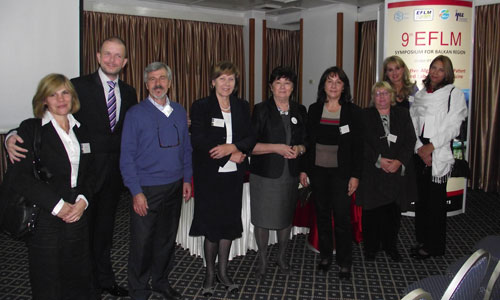
Members of the 9th EFLM Symposium for Balkan Region Organizing and Scientific Committee with lecturers. (From left to right: dr Sandra Margetic, dr Andjelo Beletic, prof. Mario Pazzagli, prof. Elizabeta Topic, prof. Nada Majkic-Singh, prof. Ksenija Fumic, prof. Sonja Pavlovic, dr Zorica Sumarac, prof. Svetlana Ignjatovic)
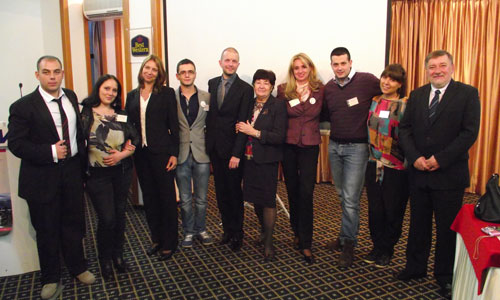
Students and graduates of University of Belgrade School of Pharmacy with their professors (prof. Nada Majkic-Singh and prof. Svetlana Ignjatovic), President of SMBS (dr Zorica Sumarac), their liaison with SMBS (dr Andjelo Beletic) and Director of Chamber of Biochemists (dr Valibor Canic).
------
THE ANNIVERSARY OF THE SOCIETY OF MEDICAL BIOCHEMISTS OF SERBIA
Contributed by Snežana Jovičić
Center for Medical Biochemistry, Clinical Center of Serbia, Belgrade
Liaison of the Society of Medical Biochemists of Serbia
to the IFCC eNews Working Group
The Society of Medical Biochemists of Serbia (SMBS) celebrated its 58th anniversary on May 15th, 2013. On that day in 1955, the Alliance of Pharmaceutical Societies of Yugoslavia (APSY) during its 6th Plenary Session, held in Split, decided to establish the Section for Medical Biochemistry. The Section was renamed 10 years later, on May 15th, 1965, during the 16th Plenary Session of APSY held in Banjaluka, to Society of Medical Biochemists within the APSY. After six years, in May 1971, the Society became the 28th member of the IFCC.

From left to right, Executive Director, prof. dr Nada Majkić-Singh and SMBS President, dr Zorica Šumarac,
with the long time Secretary of SMBS, mr Olivera Janković.
From its beginnings, Section's activities were directed towards the education of medical biochemists, especially concerning the development of a curriculum for postgraduate education of laboratory specialists, thanks to which the specialist studies in medical biochemistry were introduced in 1960. Later, the Society pursued the establishment of a separate graduate program of Medical Biochemistry at the University School of Phar macy. The Society continuously worked on the improvement and advancement of clinical laboratory profession. One of the activities was the launching and implementation of the external quality assessment scheme in 1972. In 1989, the Society left the APSY and became independent, since its membership included medical biochemists with various graduate education and not only in pharmacy. After the disintegration of Yugoslavia, the Society of Medical Biochemists of Yugoslavia was renamed once again and became the Society of Medical Biochemists of Serbia. SMBS continues to be actively involved in the advancement of clinical laboratory profession in Serbia through directing its work towards government institutions. It was actively involved in the formation of the Chamber of Biochemists of Serbia, a professional orga nization of medical biochemists and clinical chemists with mandatory membership. The SMBS organizes several courses in Continuous Medical Education every year, as well as the annual EFLM Symposium for Balkan Region, and the national Congress of Medical Biochemists of Serbia biannually.

Prof Dr Nada Majkić-Singh addresses the gathering
The Society is a member of the IFCC, EFLM and Balkan Clinical Labo ra tory Federation (BCLF), where our members contri bute to the work of these international organizations through various committees and working groups. The SMBS publishes the Journal of Medical Biochemistry, the official journal of the Society of Medical Biochemists of Serbia with international peer-review. The Journal publishes original scientific and specialized articles on all aspects of clinical chemistry, medical biochemistry and the related scientific disciplines where chemistry, biochemistry, molecular biology and immunochemistry are dealing with the study of normal and pathologic processes in human beings. The Journal is published four times a year and its 2012 impact factor is 1.084 (https://www.degruyter.com/view/j/jomb).

Throughout the evening, guests were reminded of the past years with slide show of photographs made
during numerous activities of the Society
The SMBS celebrated its 58th anniversary in new offices with guests from organizations to whose work it has contributed and which have aided its work – Dean and professors of the University School of Pharmacy in Belgrade, Director of the Chamber ofBio chemists of Ser bia, Director of the Chamber of Pharmacists of Serbia, President of the Pharma ceutical Association of Serbia, and many representatives of the clinical laboratory industry. During this gathering, Executive Director and long time President, Prof Dr Nada Majkić-Singh re min ded the guests about the Society's beginnings and growth. Also, on this occasion, the Society's renewed web page was presented (https://www.dmbj.org.rs) by the newly elected President Dr Zorica Šumarac, emphasizing that it will improve and facilitate communication with members through numerous new contents. After more than half a century of fruitful work, the SMBS continues to be the leader and support for clinical laboratory professionals in Serbia.
SECOND ANNOUNCEMENT BCLF 2013

Second Announcement (3 MB)
------
PROGRAM ZA 9TH EFLM SYMPOSIUM

Download (3 MB)
------
BCLF 2012 BELGRADE MEETINGS

The Society of Medical Biochemists of Belgrade has the pleasure of inviting you to the 20th Meeting of the Balkan Clinical Laboratory Federation to be held in Belgrade, on September 18–22, 2012, joined together with the 8th EFCC Symposium for the Balkan Region and 18th Congress of Medical Biochemists of Serbia.
www.bclf2012.org
------
EUROPEAN FEDERATION OF CLINICAL CHEMISTRY AND LABORATORY MEDICINE

EFCC Newsletter April 2011.pdf (5 MB)
------
BCLF 2011.

First announcement: First Announcement.pdf (3 MB)
Registration Form: Registration Form.pdf (85 KB)
------
BioSystems, Balkan Award for Clinical Laboratory Research 2011

Download: Balkan Award 2011.pdf (3.1 MB)
Link: /www.biosystems.es
------
1st EUROPEAN CONFERENCE ON PREANALYTICAL PHASE
1-2 APRIL 2011, PARMA, ITALY

Link: www.preanalytical-phase.org
------
55-GODIŠNJICA DRUŠTVA MEDICINSKIH BIOHEMIČARA SRBIJE

Preuzmi: Flajer55.pdf (280 KB)
------
1st EUROPEAN CONFERENCE ON PREANALYTICAL PHASE
1-2 APRIL 2011, PARMA, ITALY
Link: www.preanalytical-phase.org
------
55-GODIŠNJICA DRUŠTVA MEDICINSKIH BIOHEMIČARA SRBIJE
Preuzmi: Flajer55.pdf (280 KB)
ANNOUNCING: LATEST ISSUE OF THE EJIFCC 2010, VOL 21 NO 2

Editor-in-chief
Grazyna Sypniewska
Collegium Medicum
University of Nicolaus Copernicus
Bydgoszcz, Poland
Editorial Board
Borut Bolič
University Medical Center
Lubljana, Slovenia
Rajiv Erasmus
Dept. of Chemical Pathology
Tygerberg, South Africa
Nilda E. Fink
Universidad Nacional de La Plata
La Plata, Argentina
Danyal Syed
Ryancenter
New York, USA
Publisher: IFCC
The JOURNAL OF THE INTERNATIONAL FEDERATION OF CLINICAL CHEMISTRY (eJIFCC) is an electronic journal with frequent updates on its home page. Our articles, debates, reviews and editorials are addressed to clinical laboratorians. Besides offering original scientific thought in our featured columns, we provide pointers to quality resources on the World Wide Web. The journal will publish general news articles, IFCC publicity/news, educational material and have a letters section.
Read More
EDITORIAL - CONFERENCE ON PRE- AND POSTGRADUATE EDUCATION IN LABORATORY MEDICINE AND RECOGNITION OF PROFESSIONAL QUALIFICATIONS
Arleta Zaremba, Aneta Mrozek, Grazyna Sypniewska
LABORATORY MEDICINE SPECIALIZATION TEACHING AND TRAINING IN ITALY WITH A GLANCE TO SOME EUROPEAN AND NON-EUROPEAN COUNTRIES
Gian Cesare Guidi
REGISTRATION OF MEDICAL LABORATORY TECHNOLOGIST QUALIFIED ABROAD
Per Haugum
CURRENT PRE- AND POST-GRADUATE VOCATIONAL EDUCATION AND TRAINING IN LABORATORY MEDICINE AND MICROBIOLOGY IN POLAND
Mieczyslaw Wozniak, Henryk Owczarek
EDUCATION IN MEDICAL BIOCHEMISTRY IN SERBIA
Nada Majkic-Sing
------
THE 5th EFCC SYMPOSIUM FOR BALKAN REGION
Contributed by Prof. Dr. Nada Majkic-Singh, President of the Society of Medical Biochemists of Serbia
The Society of Medical Biochemists of Serbia and the Institute of Medical Biochemistry of the Clinical Centre of Serbia jointly organized the Fifth EFCC Symposium for the Balkan Region entitled “Proteins: from electrophoresis to proteomics” in Belgrade, from October 8-19, 2009. The Symposium was organized under the auspices of the International Federation of Clinical Chemistry and Laboratory Medicine (IFCC), European Federation of Clinical Chemistry and Laboratory Medicine (EFCC) and the Balkan Clinical Laboratory Federation (BCLF), as well as under the Ministry of Science of the Republic of Serbia. The Society, as the member of IFCC and EFCC, greatly appreciates the role it has in the continuing development of our discipline according to the IFCC mission and the Strategic plan. The symposium coordinators were Prof. Dr Nada Majkić-Singh, Chair of the Meeting, and Professor Victor Blaton, EFCC Past President.
The idea of this EFCC Symposium was to show how the continuum of different electrophoretic techniques for protein profiling can contribute to proteomics by allowing the detection and measurement of a wide array of proteins, and the definition of their structures and functions.
The proteome is defined as the entire array of proteins, including their post-translational modifications, produced by an organism or system. Thus the proteome will vary with time and physiological or pathological events, or stresses, that a cell or organism undergoes. Proteome analysis is emerging as a potentially powerful tool to decipher pathophysiological processes, resulting in the establishment of the field of clinical proteomics. One of the main goals of clinical proteomics is to discover biomarkers for diseases in biological fluids and tissues. The complexity of the proteome requires a separation step by different electrophoretic techniques before the analysis by mass spectrometry.
The 1st part of the 5th Symposium covered the clinical utility of serum protein electrophoresis (Xavier Bossuyt, Belgium), agarose gel electrophoresis and capillary electrophoresis in clinical chemistry (Jean-Francois Giot, France), the use of lab-on-chip electrophoresis and other methods in protein profiling (Olgica Trenčevska, Macedonia), MADGE-Microplate array diagonal gel electrophoresis (Sanja Stanković, Serbia), isoelectrofocusing and PCR amplification-reverse hybridization assay in evaluation of alfa-1-antitrypsin deficiency (Anđelo Beletić, Serbia) and application of proteomics techniques in biomarker discovery (Antonia Vlahou, Greece).
The 2nd part of Symposium covered the urinary proteome analysis using capillary electrophoresis coupled to mass spectrometry as a powerful tool in clinical diagnosis, prognosis and therapy evaluation (Harald Mischak, Germany), glucocorticoid receptors in health and disease (Gordana Matić, Serbia) and molecular diagnosis of phenylketonuria: from detective protein to disease-causing gene mutation (Sonja Pavlović, Serbia).
The following lectures covered experiences in clinical protein arrays: biochip cardiac array technology (Grazyna Sypniewska, Poland), cytokine and growth factor array (Hans J. van Pelt, The Netherlands), colorectal cancer array – simultaneous analysis of DNA alternations with biochip array technology (Andrew Cartwright, UK) and multiparameter testing of colorectal cancer (Bernhard Risse). Jim Thorn (United Kingdom) presented the use of the Analis CDT assay for screening for alcohol abuse.
The organization of the 5th EFCC Symposium for Balkan Region was the result of work and effort of coordinators and of the Organizational Committees. More then 300 participants from Serbia and Balkan counutries participated actively in the Symposium. During the Symposium a permanent exibition of equipment and reagents organized by different companies has been display.
All lectures are published in Journal of Medical Biochemistry 2009; 28: 221-326 (www.versita.com) the National Journal of the Society of Medical Biochemists of Serbia.

Lecturers of the 5th Symposium for Balkan Region(From left to right): Anđelo Beletić, Olgica Trenčevska, Sanja Stanković, Nada Majkić-Singh, Antonia Vlahou, Victor Blaton, Andrew Cartwright, Svetlana Ignjatović, Jim Thorn, Xavier Bossuyt
------
INFORMATION ON THE 16th CONGRESS OF MEDICAL BIOCHEMISTS OF SERBIA
AND THE 4TH EFCC SYMPOSIUM FOR BALKAN REGION
By Professor Dr. Nada Majkic-Singh
President of the Society of Medical Biochemists of Serbia
And the Scientific Committees of the Congress and Symposium
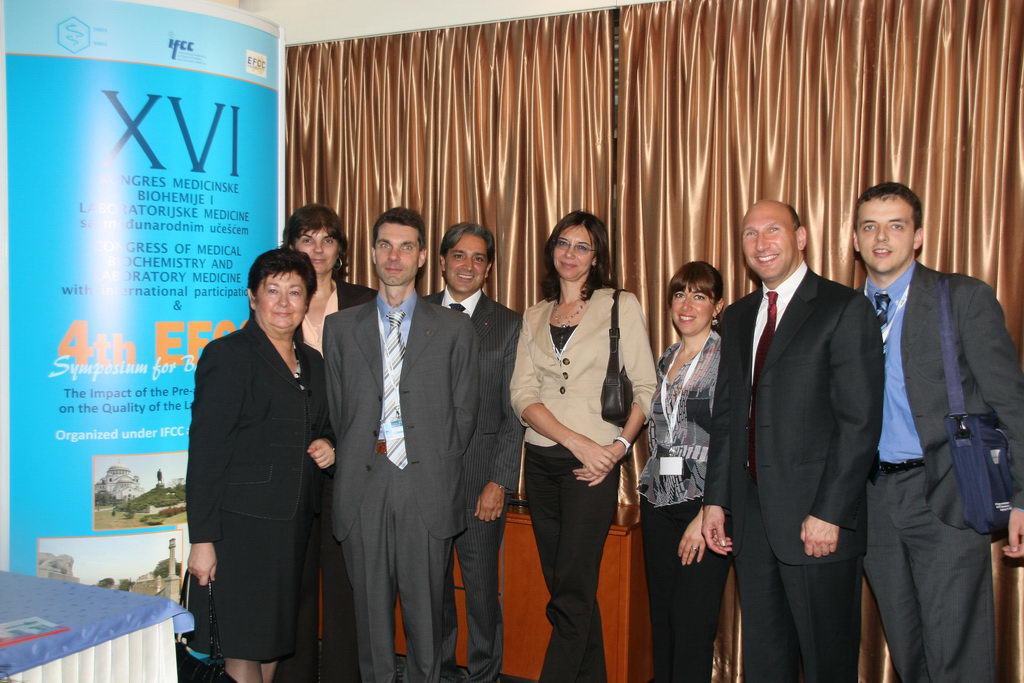
The 16th Congress of Medical Biochemistry and Laboratory Medicine with international participation have been organized by the Society of Medical Biochemists of Serbia and the Institute of Medical Biochemistry of the Clinical Centre of Serbia. The Congress was organized under the auspices of the International Federation of Clinical Chemistry and Laboratory Medicine (IFCC), European Federation of Clinical Chemistry and Laboratory Medicine (EFCC) and the Balkan Clinical Laboratory Federation (BCLF), as well as the Ministry of Science of the Republic of Serbia. As part of the Congress, on the 19th and 20th of June 2008 the 4th EFCC Symposium for the Balkan Region entitled The Impact of the Preanalytical Phase on the Quality of Laboratory Results was held.
Photo: Professor Dr. Nada Majkic-Singh

Photo (legend): Lecturers of 4th EFCC Symposium for Balkan Region
From left to right: N. Majkić-Singh, A. Stanković, G. Lipi, L. Drago, S. Ignjatović,
C. Mattiuzzi, S. Green and G.L. Salvagno
The organization of the Congress was the result of work and effort of all the members of the Scientific and Organizational Committees, comprised of distinguished local experts in this area. More than 400 participants from Serbia and some 100 specialists from abroad participated actively in the work of the Congress.
The plenary sections of the 16th Congress of Medical Biochemistry and Laboratory Medicine have been dedicated to the latest findings in the field of biochemical markers of various diseases and states, namely to the importance of markers of atherosclerosis, cardiac markers in patient treatment, biomarkers of inflammation and apoptosis, markers of ischemic stroke, certain forms of apolipoproteins, bone markers – their nature and application, markers of kidney diseases, prostate cancer and urinary tract tumor, diabetes, and up-to-date patient treatment in intensive care. The influence of oxidative stress on the appearance of a disease, as well the role of functional foods in the promotion of health has been also deliberated.
A separate section was dedicated to the application of quality indicators in medical laboratories relating to sensitivity and accuracy of the results, ways of avoiding errors in laboratories and the process of laboratory accreditation as a means of avoiding and diminishing errors and improving the general quality of the laboratory work. Besides the presentations by local experts, in the program of the Congress participations took the numbers of distinguished lecturers from the United States of America, Switzerland, Germany, Hungary, England, Italy, Montenegro, Macedonia, Bulgaria and the Republic of Srpska.
The majority of registered participants presented the results of their scientific and expert research as part of the poster presentations which included cardiovascular diseases and cardiac markers, methods in clinical chemistry, proteins and enzymes, lipids and lipoproteins and free topics.
The topics selected covered in a multidisciplinary fashion the field of laboratory medicine and other medical sciences. The multidisciplinary character of the Congress is further accentuated by the fact that many experts of various profiles took active part with their work. Therefore, like in the previous years, this Congress allowed for the latest scientific and expert results to be presented and for experiences to be exchanges, which will contribute to the promotion of contemporary laboratory practice.
During the Congress the 4th EFCC Symposium for Balkan Region held under the titled The Impact of the Preanalytical Phase on the Quality of Laboratory Results, where the latest findings regarding the application and significance of the impact of preanalytical factors on the quality of laboratory results have been presented with the goal of preventing preanalytical errors that can cause damage to the patients as well as the entire laboratory procedure. Safety measures during the process of collecting biological samples from patients e.g. during venipunctures, for the purpose of protecting the patients also have been discussed. Besides presentations on the impact of the preanalytical phase in hematology, sample stability, the recommendations and ways of educating staff regarding the quality of diagnostic samples have been reviewed. In order to achieve the best possible results, the participants presented the new approaches in laboratory medicine dealing with the application and philosophy behind the LEAN and SIX SIGMA techniques.
Experts from Europe (Italy, Germany, and Belgium) and America participated in the Symposium. The main tittles of the presentations and lecturers have been: Impact of preanalytical variables on specimen quality (Sol Green, USA), Misidentification and other preanalytical errors (Pierangelo Bonnini, Italy), Standards of safety in blood collection (Camilla Mattiuzzi, Italy), Preanalytical phase in haematology (Giuseppe Banfi, Italy), Governance of the preanalytical phase: error detection (Giuseppe Lippi). Quality of diagnostic samples, recommendations and educational tools (Walter Guder, Germany), Sample stability (Gian Luca Salvagno, Italy), and Application of Lean and Six Sigma to the preanalytical phase (Ana Stanković, USA).
The experiences in the pre-analytical phase technology in medical laboratories in Balkan region have been presented by Zorica Šumarac (Serbia), Manole Cojocaru (Romania), Anna Tzontcheva (Bulgaria), Aggeliki Stathaki (Greece), Gheorghe Benga (Romania), George D. Maropoulos (Greece). Round table discussions on the topics presented served as the basis for reaching conclusions and guidelines in this area of laboratory medicine with the aim of achieving the best possible results to the benefit of patient treatment.
During the course of the Congress and Symposium a permanent exhibition of equipment and reagents has been on display, and many practical workshops have been organized by different companies.
As Society of Medical Biochemists of Serbia was appointed by EFCC as organizer of the Symposium for the Balkan Region and University of Belgrade (Serbia) the EFCC Educational Centre, Professor Victor Blaton, EFCC President during the opening of the Symposium presented the lecture on the EFCC activities and a new vision of the development of clinical chemistry and laboratory medicine in Europe.
------ |
 HOME
HOME